


Symptoms & Engine Signals
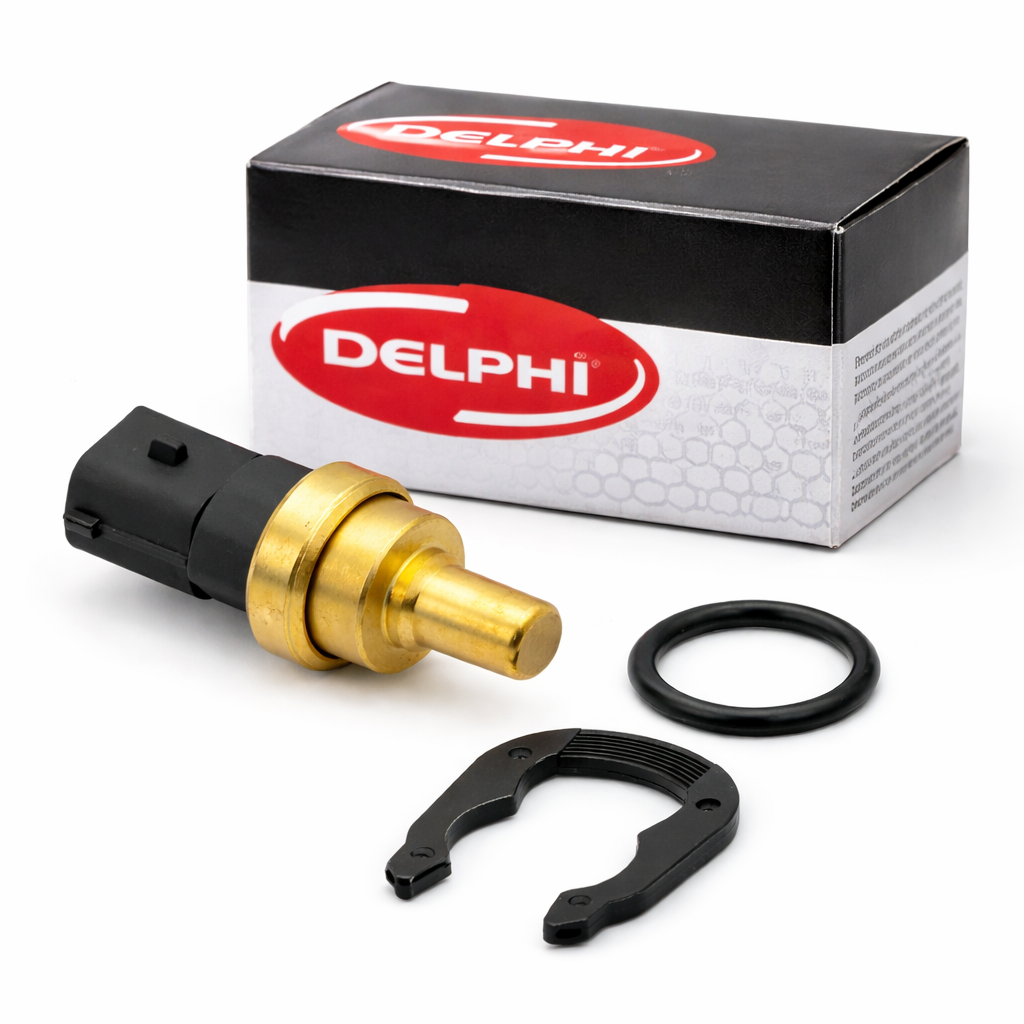
If your VW or Audi is experiencing poor fuel economy, difficult starting, or erratic temperature gauge readings, the Delphi engine coolant temperature sensor may be providing inaccurate temperature data to the engine control module. This sensor is a vital input to the engine management system, providing the coolant temperature reading that influences fuel injection timing, ignition timing, and cooling fan operation. Drivers in Kingston may first notice that the engine consumes more fuel than usual, as the engine control module compensates for inaccurate temperature readings by enriching the fuel mixture. You may experience difficulty starting the engine, particularly after it has been driven and allowed to cool down for a short period, as the incorrect temperature data causes the engine control module to apply an inappropriate starting fuel strategy. The temperature gauge on the instrument cluster may display readings that do not correspond to the actual engine operating temperature, either remaining abnormally low after the engine has warmed up or fluctuating erratically during normal driving. In some cases, the radiator cooling fans may operate at the wrong times, either running continuously when the engine is cold or failing to engage when the engine reaches normal operating temperature, as the engine control module relies on the coolant temperature signal to control fan operation. A failed coolant temperature sensor can also cause the engine to produce increased exhaust emissions, as the incorrect fuel mixture calculations result in incomplete combustion and higher levels of pollutants.
Why Your Car Might Be Struggling
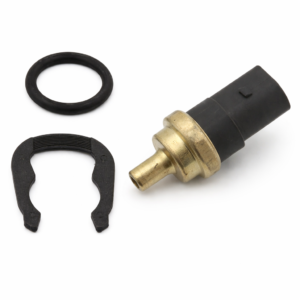
The Delphi engine coolant temperature sensor is a precision NTC thermistor-based sensor that monitors the temperature of the engine coolant and provides this data to the engine control module for multiple critical control functions. The NTC thermistor element is a semiconductor device whose electrical resistance decreases predictably as its temperature increases, and the sensor’s internal signal conditioning circuitry converts this resistance change into a calibrated voltage signal that is directly proportional to the coolant temperature. The engine control module uses this temperature data to determine the correct fuel injection volume for cold starts and warm-up enrichment, to adjust the ignition timing for optimal combustion at different operating temperatures, to control the engagement and speed of the radiator cooling fans, and to manage the various subsystems that depend on engine temperature information. The sensor is mounted in the coolant flow path, typically in the cylinder head or the thermostat housing, where it is continuously immersed in the engine coolant and exposed to the full range of operating temperatures from cold start to normal operating temperature and beyond. The thermistor element is sealed within a brass or plastic housing that is designed to protect it from direct contact with the coolant while allowing efficient thermal transfer. Over thousands of kilometres of operation, the thermistor’s resistance-temperature characteristics can drift from its original calibration due to the cumulative effects of thermal ageing and chemical exposure to the coolant additives, causing the sensor to report temperature readings that are progressively less accurate. This calibration drift typically causes the sensor to report a colder-than-actual temperature, which leads the engine control module to enrich the fuel mixture and advance the ignition timing as if the engine were still warming up, resulting in the increased fuel consumption and poor starting behaviour that drivers experience. The electrical connector at the sensor can also develop corrosion from exposure to moisture and coolant spills, introducing additional resistance into the sensor circuit that shifts the voltage reading at the engine control module and causes it to interpret the temperature incorrectly. When the sensor fails completely, the engine control module loses the ability to determine the engine temperature and defaults to a conservative operating strategy that compromises performance and fuel efficiency. Replacing a failing coolant temperature sensor with a quality Delphi component restores accurate temperature monitoring and allows the engine management system to operate with the correct parameters for optimal performance, fuel efficiency, and emission control.
Compatibility & Ordering Information
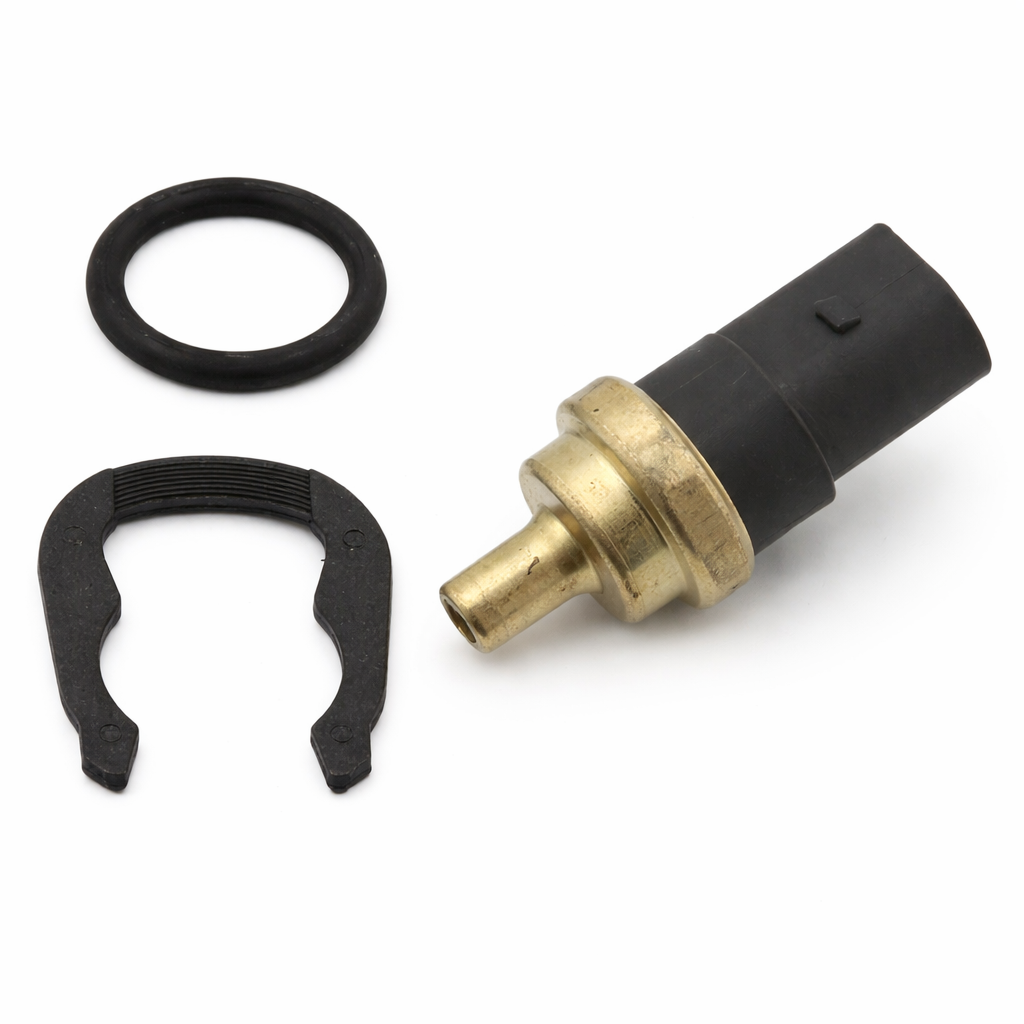
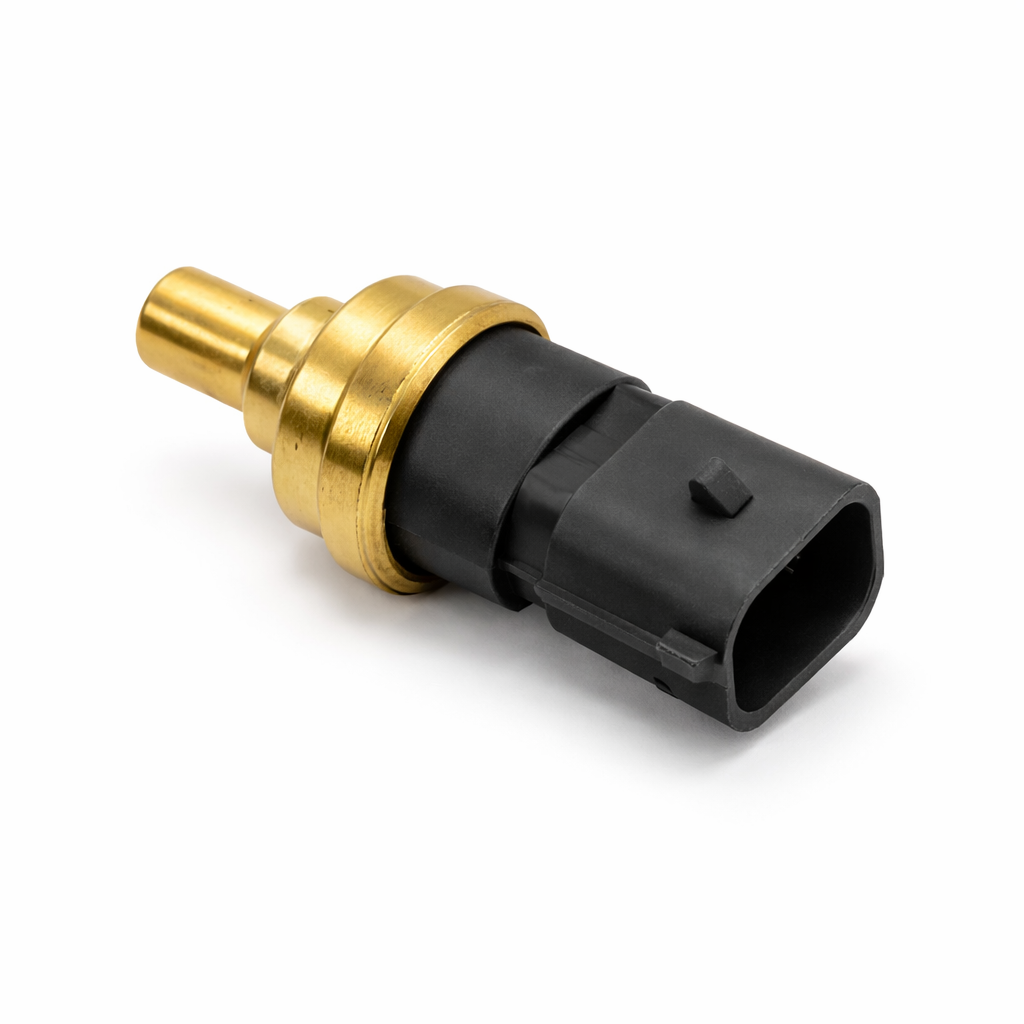
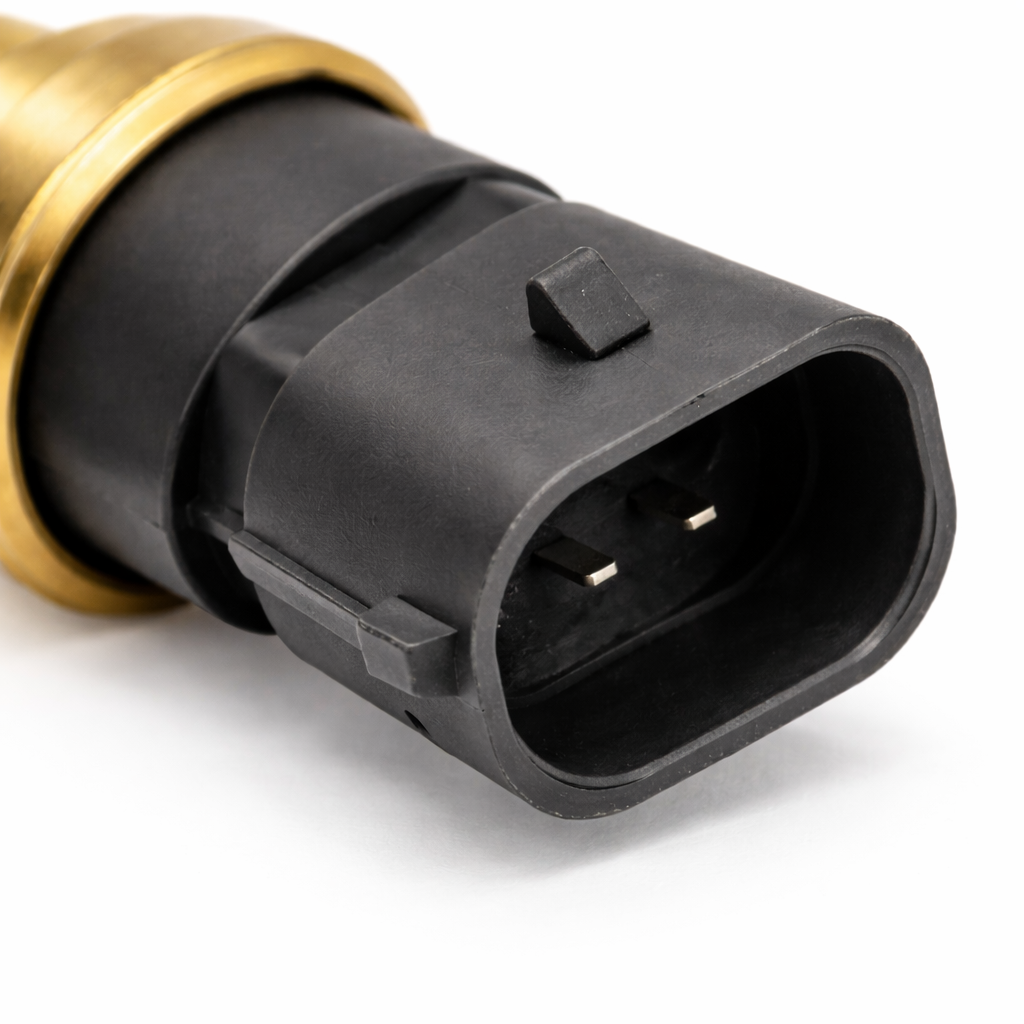
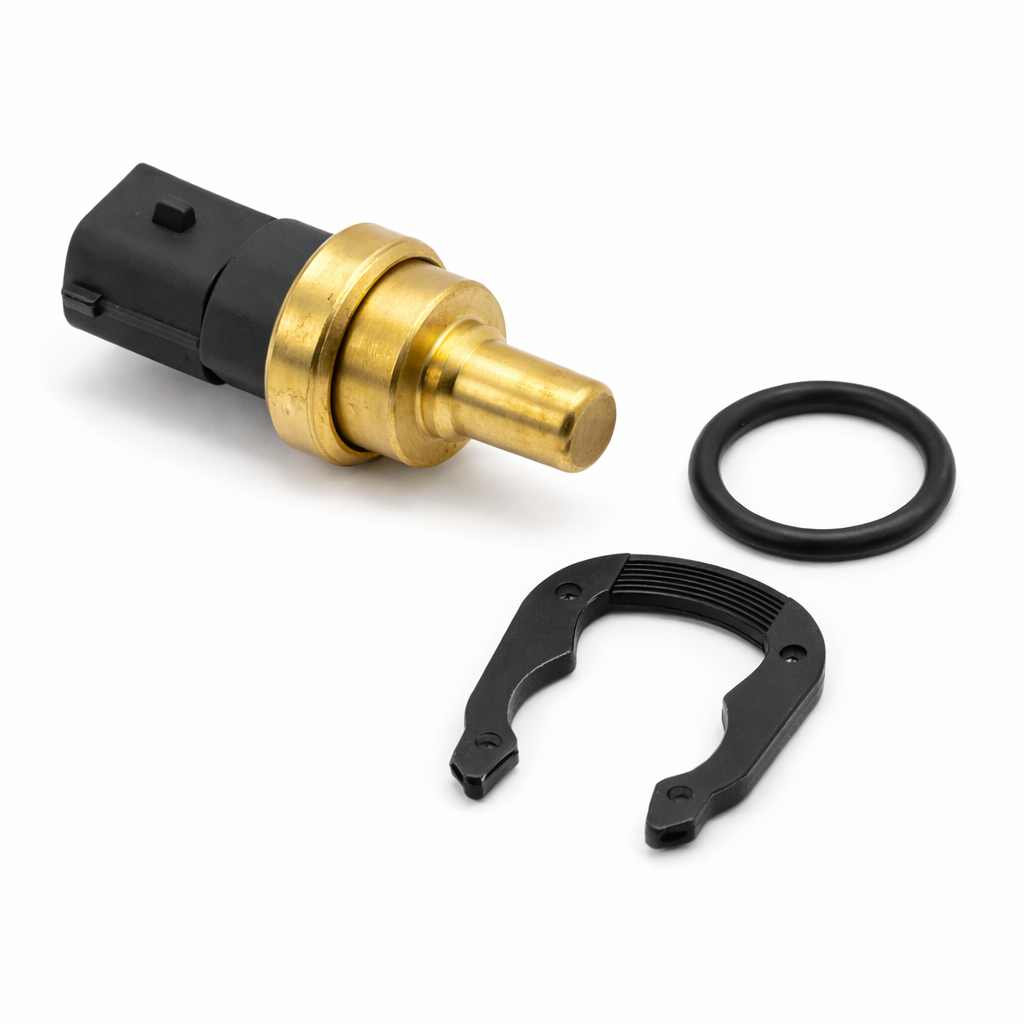
This Delphi engine coolant temperature sensor is designed as a direct replacement for the factory-installed sensor in selected Volkswagen and Audi petrol and diesel engines, featuring the correct thread size, sealing arrangement, and electrical connector configuration for a straightforward installation. The sensor is manufactured to meet original equipment specifications for temperature accuracy and response time. For assistance confirming that this sensor matches your specific vehicle model, engine code, and model year, our knowledgeable team at Dub Source Limited can verify compatibility. This genuine Delphi replacement sensor is available for immediate pickup at our Kingston location on Mannings Hill Road, and we offer delivery services across all Jamaican parishes, including Montego Bay, Ocho Rios, and Negril. Call 876-740-9332 or order online to restore proper engine performance and fuel efficiency to your VW or Audi.
Reviews
There are no reviews yet.