Symptoms & Engine Signals
If you hear a clicking or popping noise from the front wheels when turning corners in Kingston or on highway on-ramps, or if you feel a vibration through the steering wheel that intensifies during acceleration, the CV joints on your drive shafts may be suffering from inadequate lubrication. These symptoms are particularly noticeable in front-wheel-drive Volkswagen Group vehicles, where the outer CV joints operate at extreme angles during tight turns and are heavily loaded during acceleration. A lack of proper molybdenum disulphide grease in the CV joint can cause the needle rollers and ball bearings to run dry, producing metal-to-metal contact that generates heat, noise, and rapid wear. You may also notice that the rubber CV joint boots appear greasy or torn, indicating that the original grease has been lost through a boot failure and that the joint has been operating without adequate lubrication. In advanced cases of CV joint wear caused by insufficient or incorrect lubrication, the clicking noise may progress to a constant grinding sound during driving, and the vibration may become severe enough to be felt through the entire vehicle, indicating that the joint is approaching complete failure and requires immediate replacement.
Why Your Car Might Be Struggling
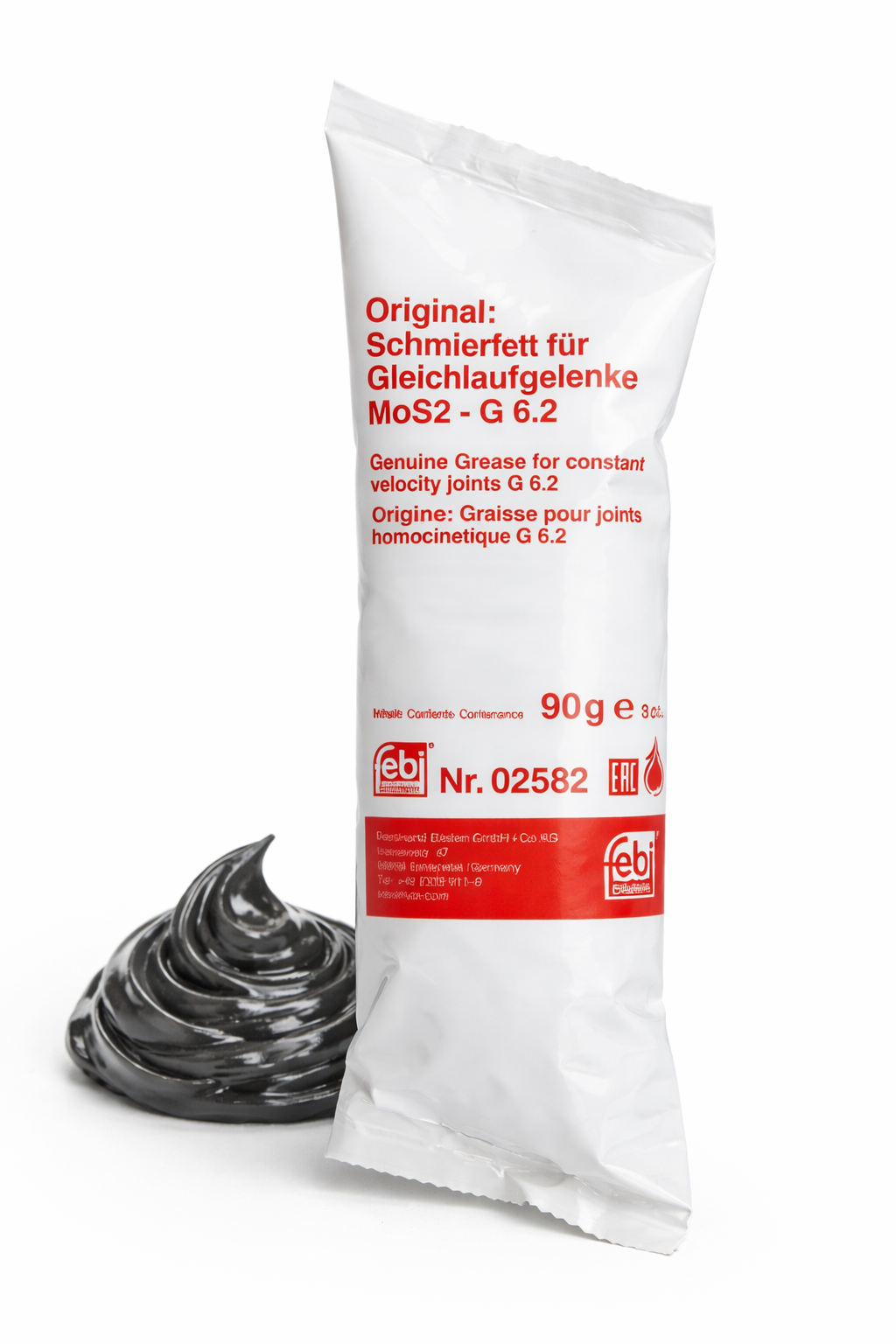
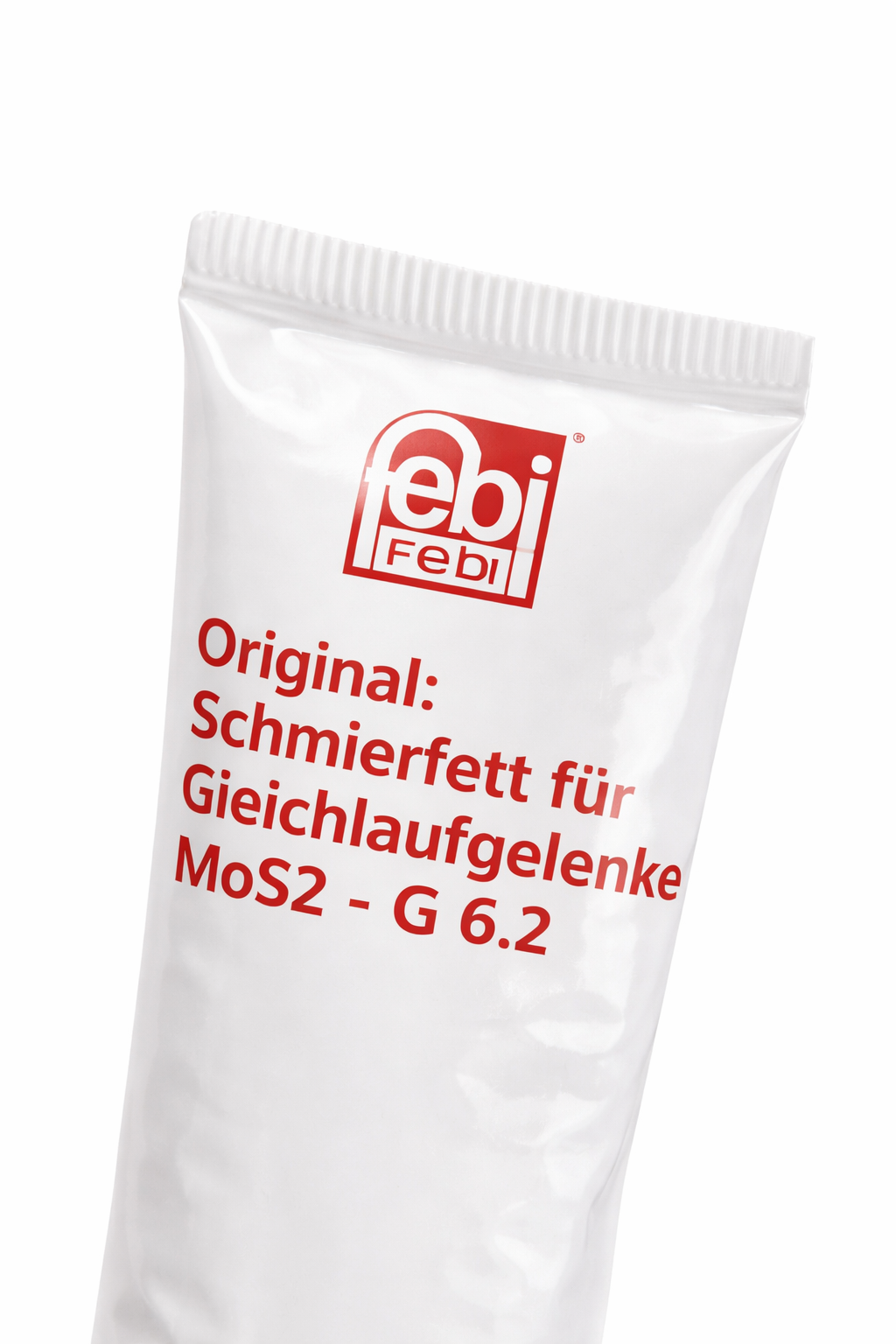
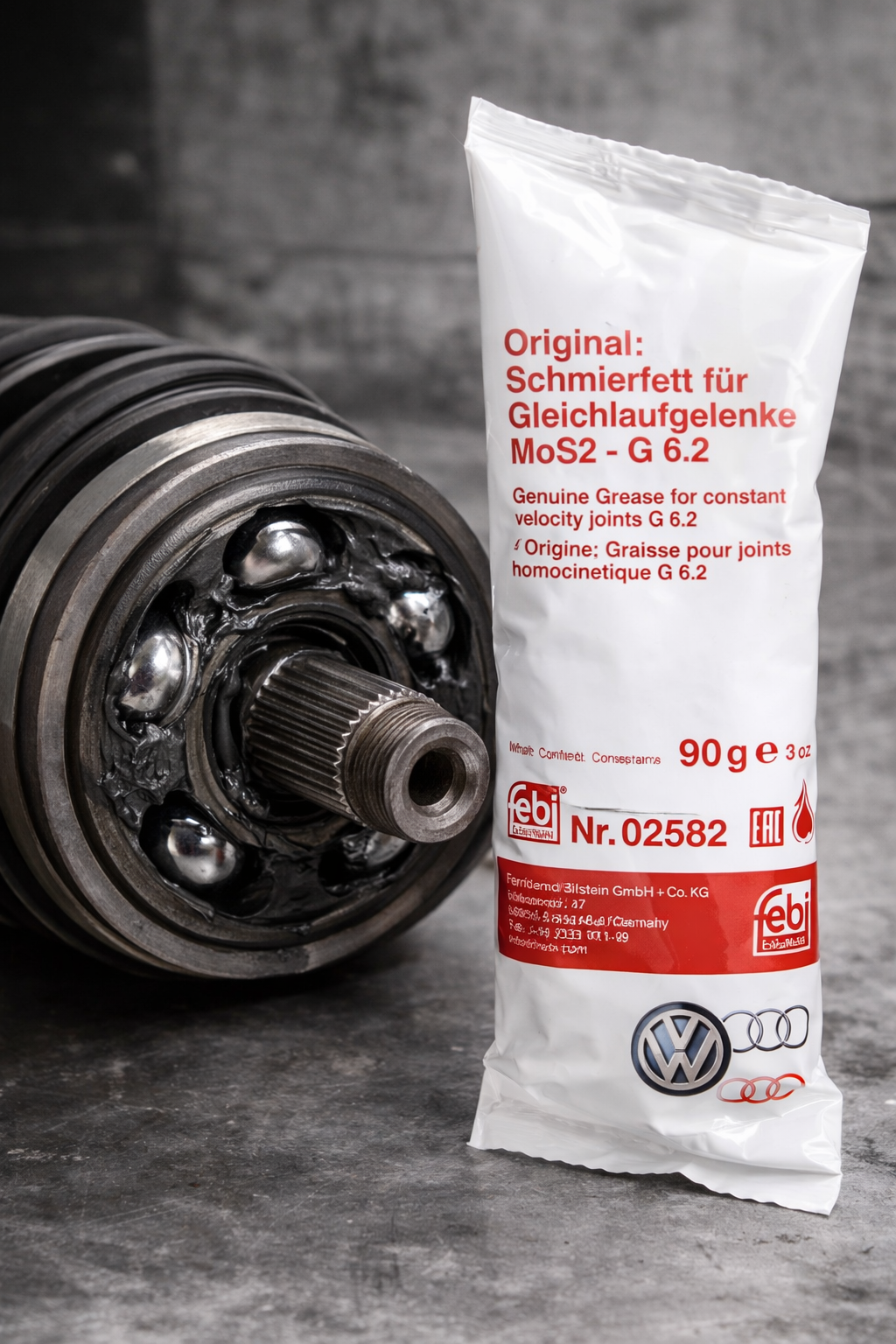
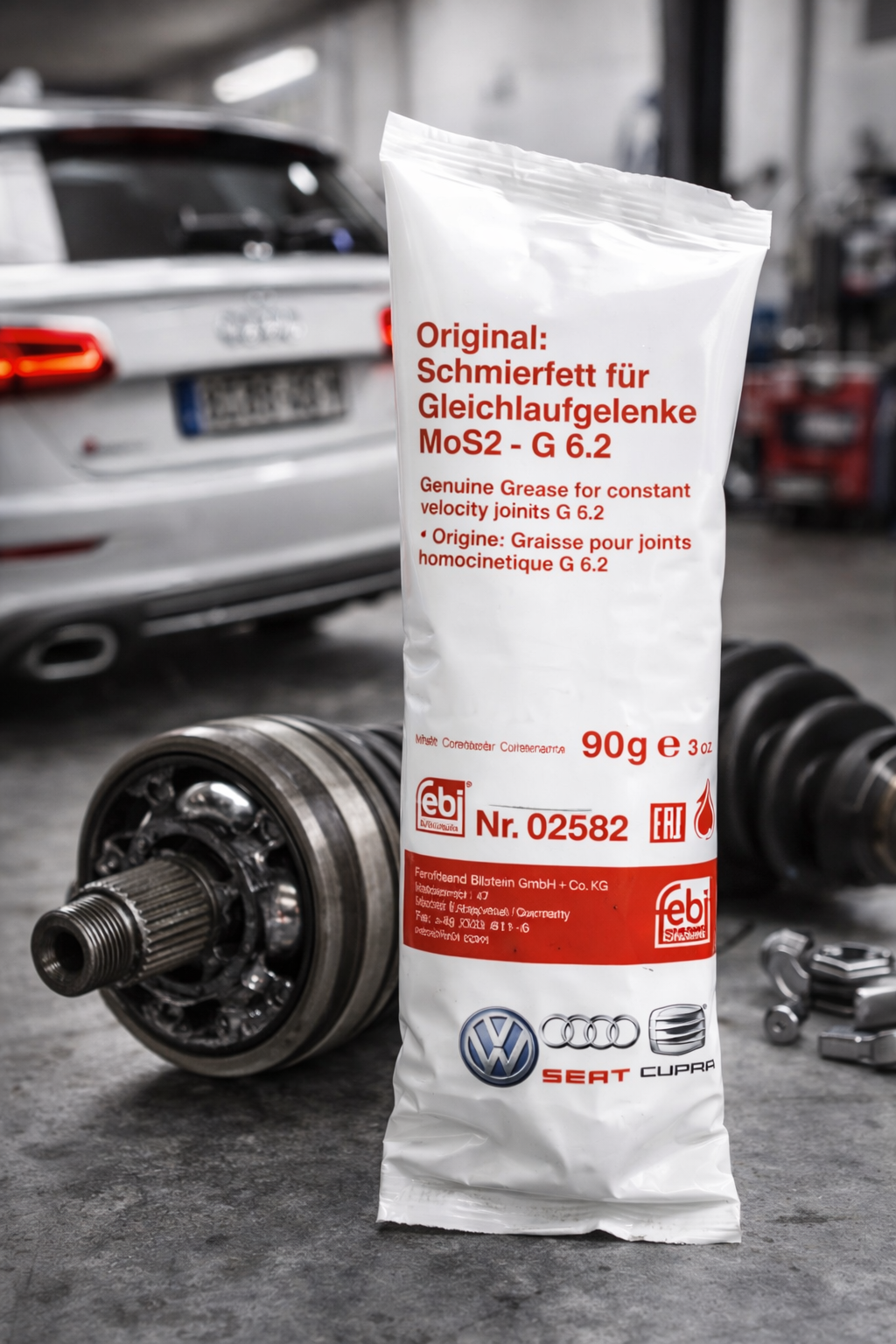
The constant velocity (CV) joints on your vehicle’s drive shafts are precision-engineered components that transmit power from the transmission to the wheels while accommodating the up-and-down motion of the suspension and the steering angle of the front wheels. These joints contain needle rollers, ball bearings, and raceways that operate under extremely high contact pressures and at varying angles that can exceed 45 degrees during tight manoeuvres. The lubrication requirements of CV joints are demanding: the grease must provide a robust oil film that separates the metal surfaces under high contact pressure, must adhere to the components despite centrifugal forces that try to throw it off, must resist degradation at the elevated temperatures generated by friction and conducted from nearby brakes and exhaust components, and must provide long-term protection against corrosion and wear. Molybdenum disulphide (MoS2) grease is specifically formulated to meet these demanding requirements. The MoS2 additive forms a microscopic boundary layer of solid lubricant on the metal surfaces that provides protection even when the grease’s oil film is squeezed out under extreme pressure. This boundary lubrication effect is critical in CV joints because the contact pressures between the balls and raceways can exceed the capacity of conventional grease to maintain a fluid film. When the wrong type of grease is used, or when the joint has lost its original grease through a boot failure, the unprotected metal surfaces wear rapidly, generating the clicking noises and vibrations that signal impending joint failure. Using the correct Febi MoS2 grease during CV joint service or boot replacement ensures that your drive shafts continue to deliver smooth, quiet power transmission throughout their service life, protecting your investment in these expensive drivetrain components.
Compatibility & Ordering Information
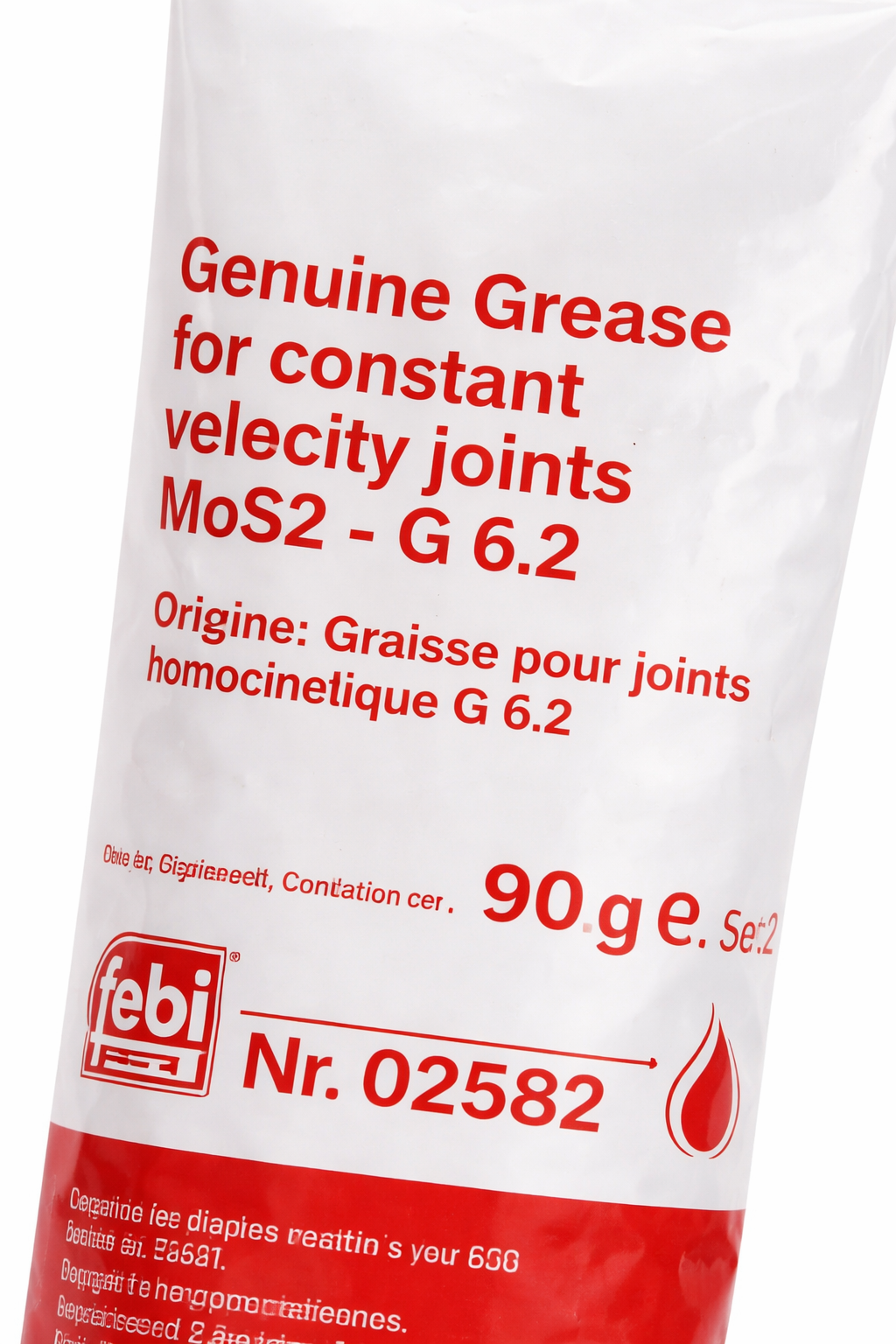
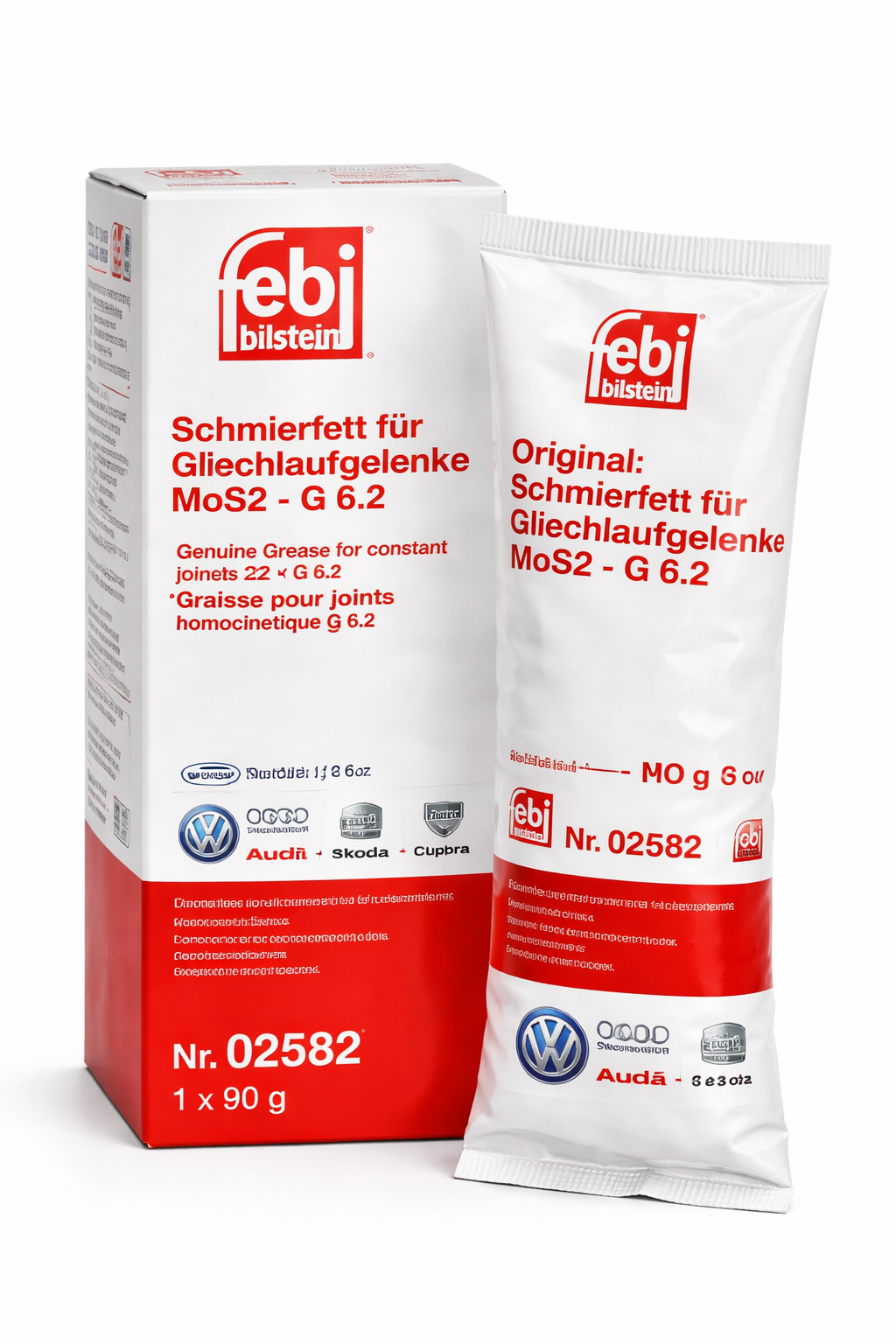
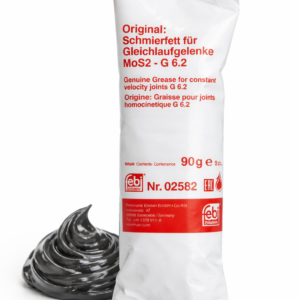
This Febi molybdenum disulphide (MoS2) grease is suitable for use in CV joints and drive shaft applications across the entire Volkswagen Group range, including VW, Audi, Skoda, Seat, and Cupra vehicles. It is the correct lubricant for both fixed and plunging-type CV joints used in front-wheel-drive and all-wheel-drive configurations. The grease is supplied in a convenient size for servicing individual joints and is also suitable for repacking replacement CV joints before installation. This premium MoS2 grease is available at Dub Source Limited on Mannings Hill Road in Kingston for immediate collection, and we offer delivery services across all Jamaican parishes, including Montego Bay, Ocho Rios, and Negril. Our experienced team can advise on the correct quantity of grease required for your specific application. Call 876-740-9332 or order online to ensure your CV joints receive the proper lubrication they need for long-term reliability.
Reviews
There are no reviews yet.