

Symptoms & Engine Signals
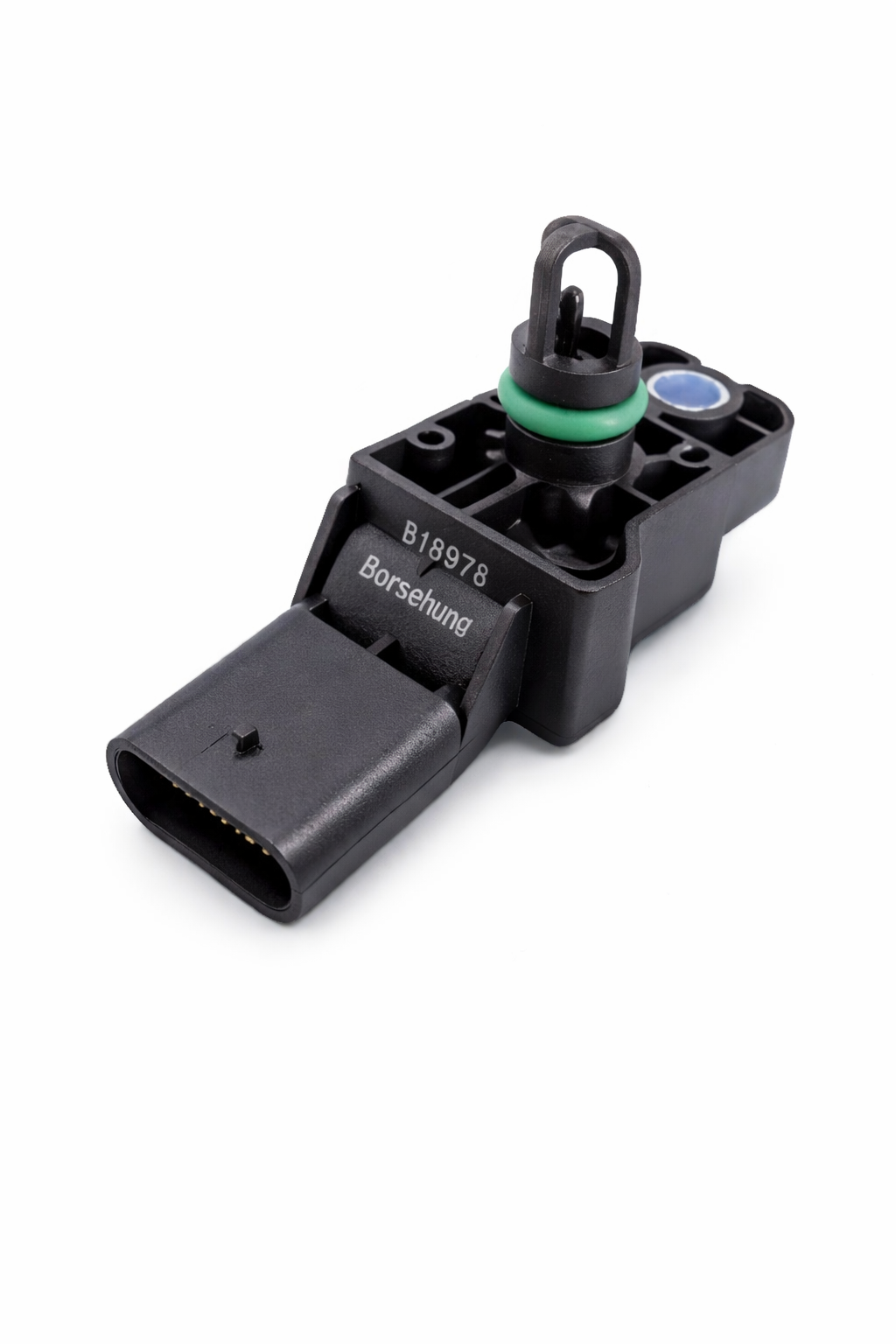
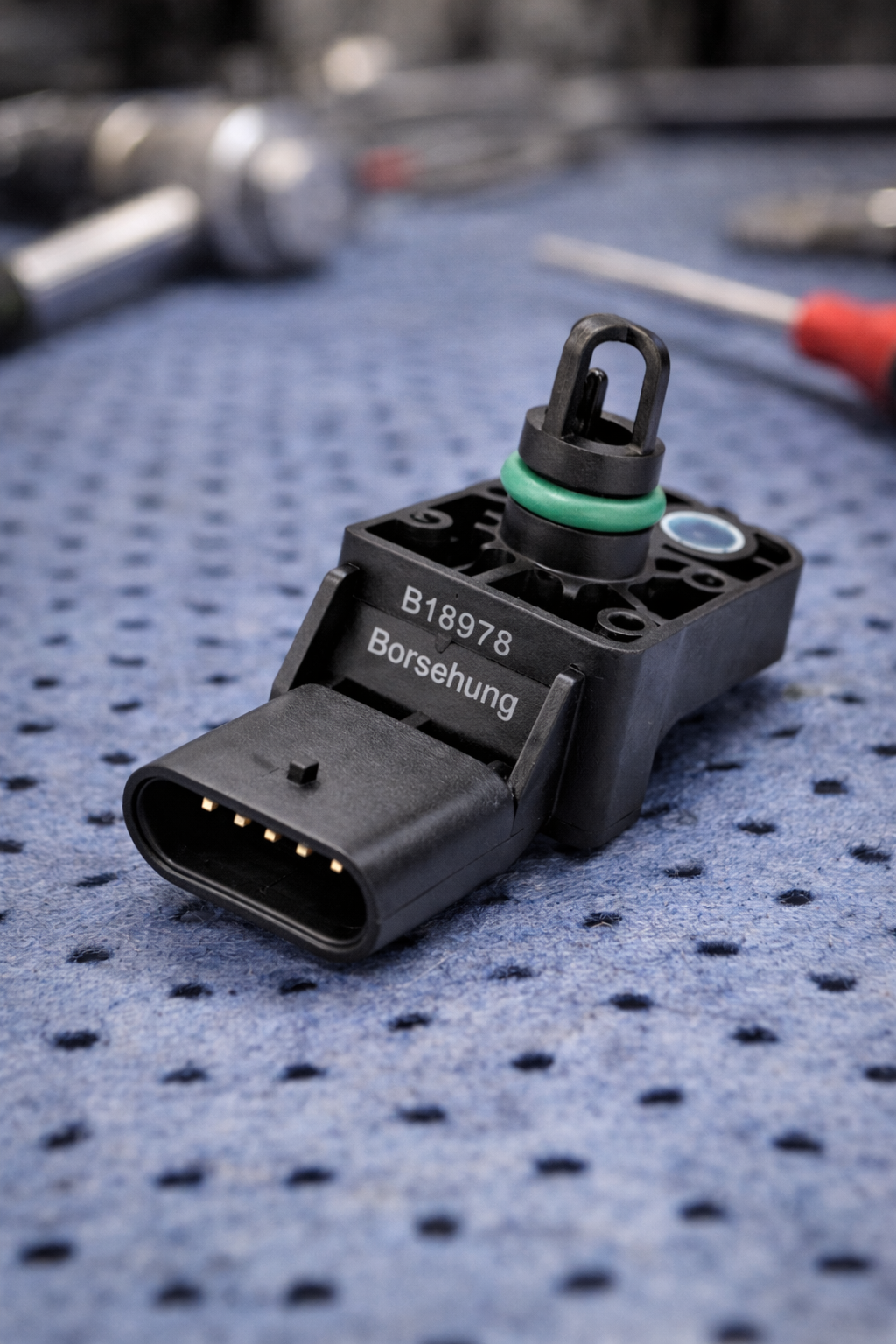
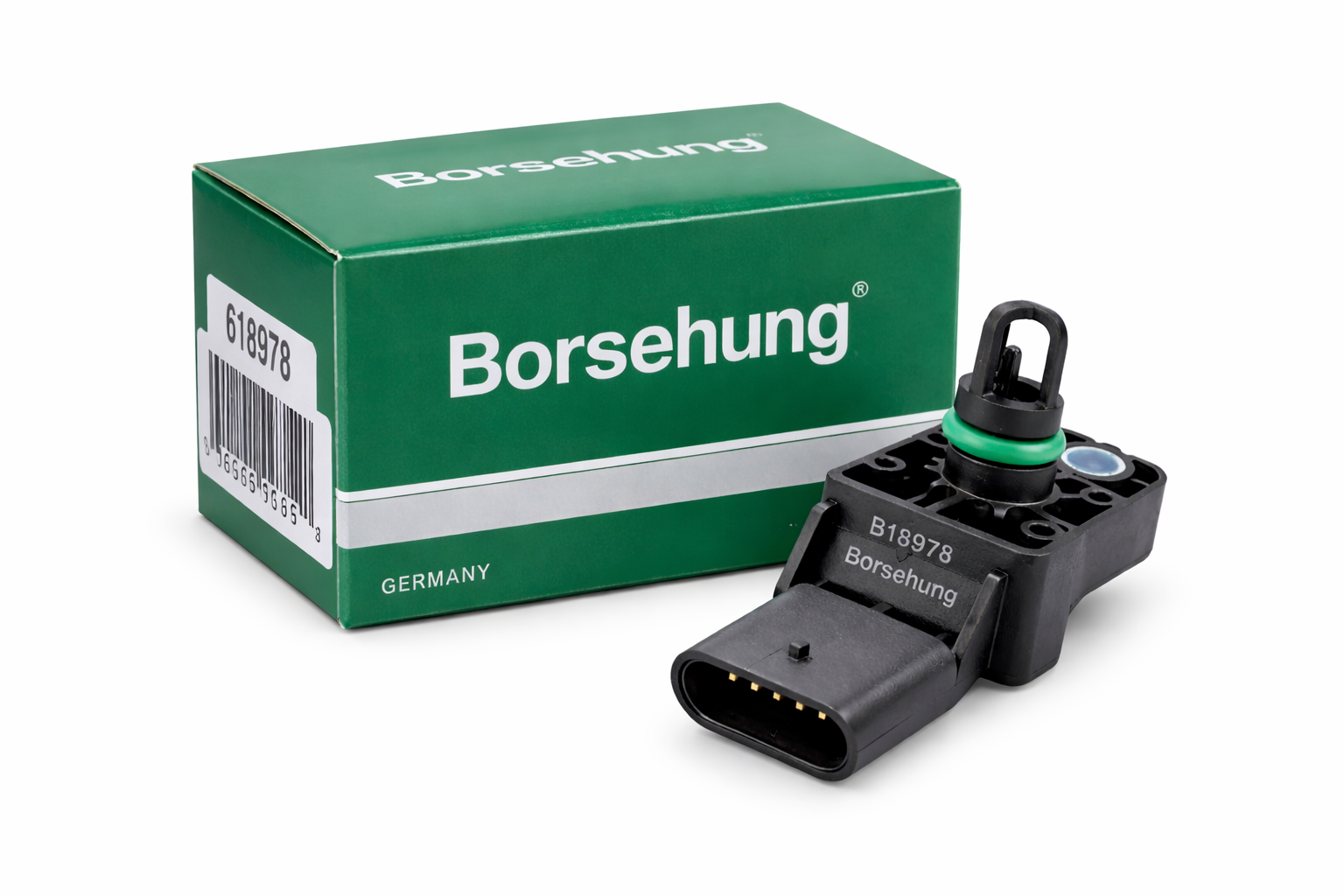
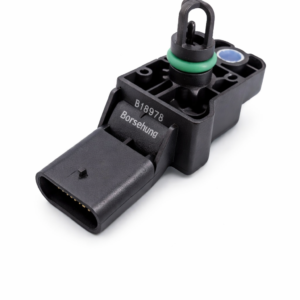
If your VW or Audi is experiencing poor acceleration, reduced fuel economy, or an illuminated check engine light related to intake or fuel system faults, the Borsehung intake manifold pressure sensor may be failing. This sensor, also known as the MAP sensor, measures the absolute pressure inside the intake manifold and provides critical data to the engine control module for calculating fuel injection volume and ignition timing. Drivers in Kingston may first notice that the engine lacks power during acceleration, feeling flat and unresponsive when the accelerator is pressed, as the engine control module cannot determine the correct fuel delivery without accurate manifold pressure data. You may observe that the fuel consumption has increased noticeably, as the engine control module defaults to conservative fuel and timing maps when the manifold pressure signal is unavailable or unreliable. The engine may idle roughly or stall unexpectedly when coming to a stop, as the incorrect pressure data prevents the engine control module from maintaining the correct idle speed and fuel mixture. In some cases, the engine may hesitate or stumble during acceleration as the turbocharged boost pressure is not properly managed without accurate intake manifold pressure information. The check engine light will typically illuminate with fault codes related to the manifold absolute pressure sensor circuit or implausible signal, and the vehicle may enter a reduced-power mode that limits performance to protect the engine from potential damage caused by incorrect fuel metering.
Why Your Car Might Be Struggling
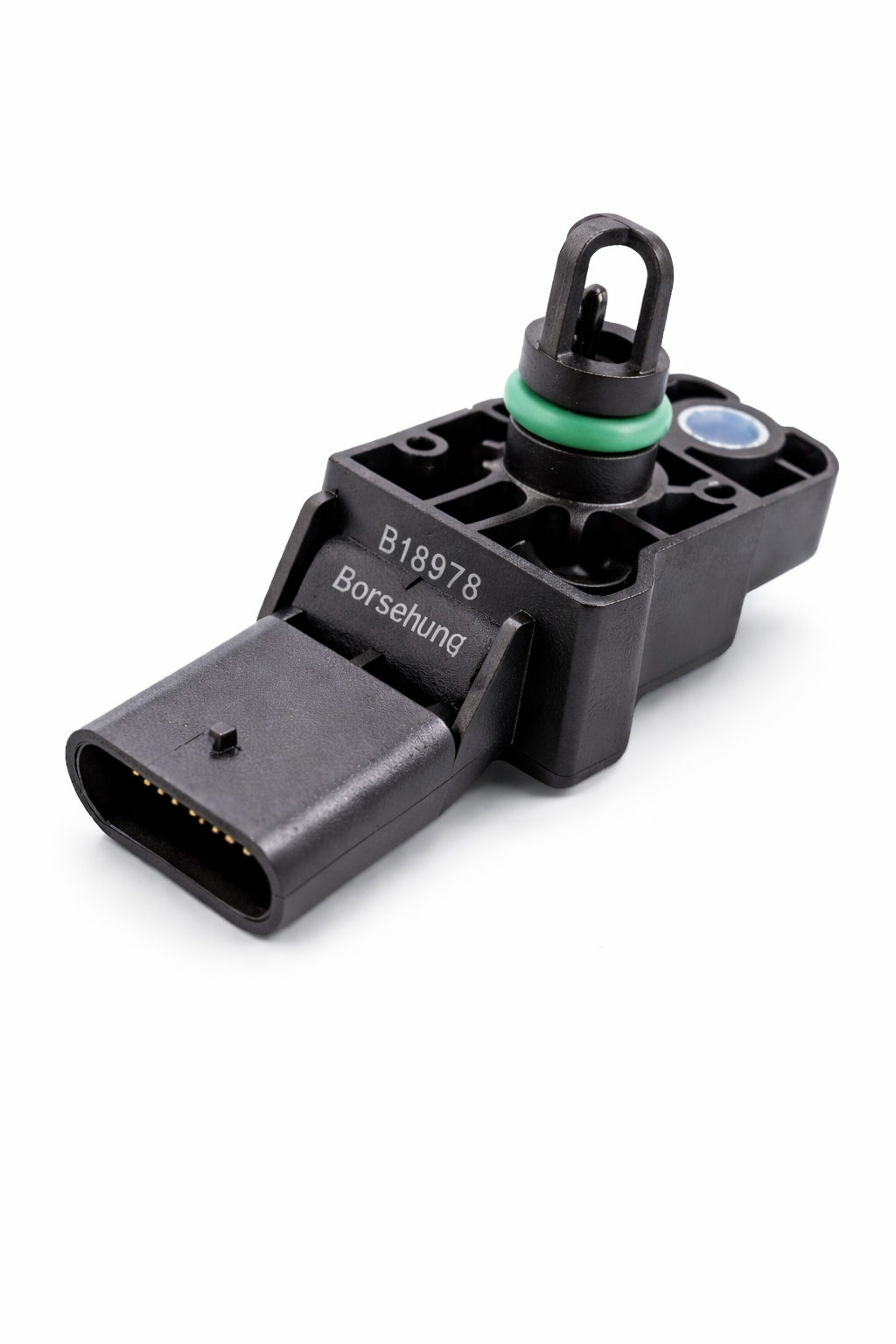
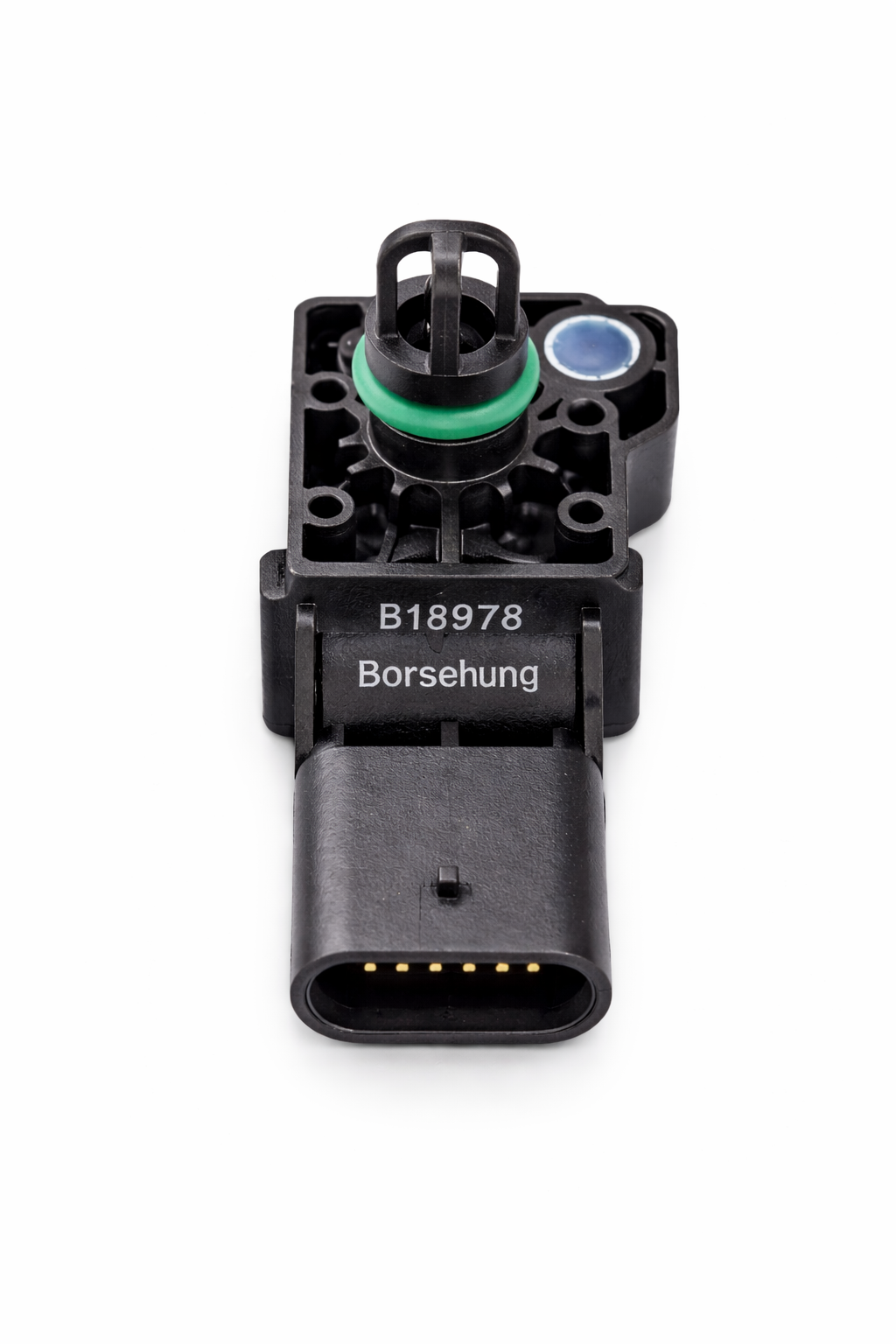
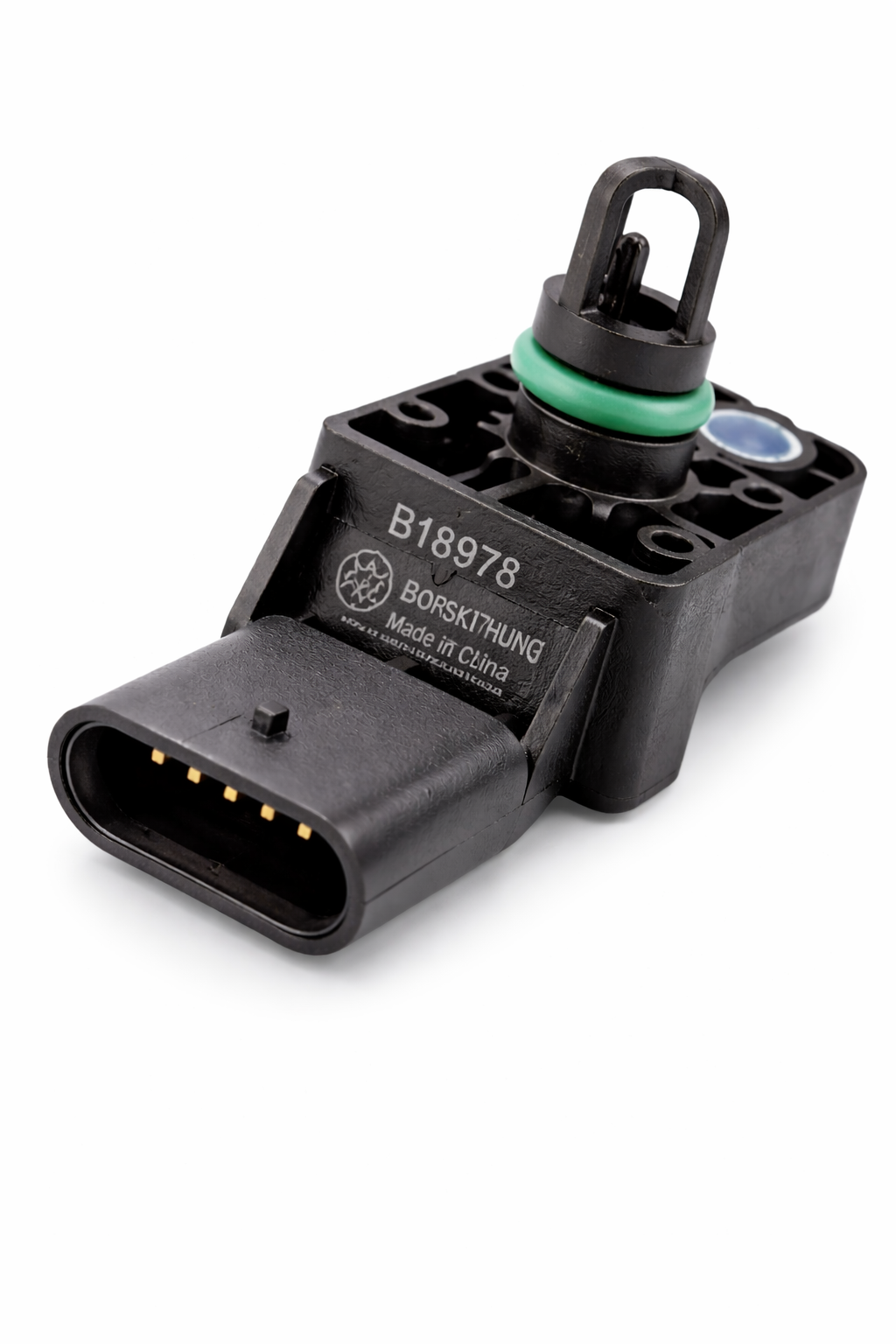
The Borsehung intake manifold pressure sensor, also known as the MAP sensor, is a precision electronic component that measures the absolute pressure of the air inside the intake manifold and converts this pressure reading into a voltage signal that the engine control module can interpret. The sensor contains a silicon micro-machined pressure-sensing diaphragm with integrated piezo-resistive strain gauges that change their electrical resistance in proportion to the applied pressure. The sensor’s internal signal conditioning circuitry amplifies and linearises this resistance change, producing a calibrated voltage output that is directly proportional to the absolute pressure in the intake manifold. In naturally aspirated engines, the manifold pressure reading allows the engine control module to determine the engine load and calculate the correct fuel injection volume and ignition timing. In turbocharged engines, the MAP sensor is even more critical, as it measures the boost pressure created by the turbocharger and provides the feedback signal that the engine control module uses to regulate the turbocharger’s boost output through the wastegate or variable geometry control system. Many modern MAP sensors also incorporate an integrated intake air temperature sensor that measures the temperature of the incoming air charge, providing additional data that the engine control module uses to calculate the air density and determine the precise fuel delivery required for optimal combustion. The sensor is mounted directly on the intake manifold, where it is exposed to the pressure pulsations, temperature variations, and vibration that occur during engine operation. Over time, the sensor’s internal electronics can drift in calibration or fail entirely due to the cumulative effects of thermal cycling, vibration fatigue, and exposure to oil vapours and fuel vapours that can enter the intake manifold through the positive crankcase ventilation system. Contamination of the pressure-sensing port by oil residue or carbon deposits can also affect the accuracy of the pressure reading by restricting the flow of air to the sensing diaphragm. When the sensor fails or begins to report inaccurate readings, the engine control module loses its ability to precisely control the fuel delivery and ignition timing, resulting in the poor performance, increased fuel consumption, and rough idle that drivers experience. Replacing a failing MAP sensor with a quality Borsehung component restores accurate manifold pressure monitoring, allowing the engine management system to deliver the correct fuel and timing for optimal performance and efficiency.
Compatibility & Ordering Information
This Borsehung intake manifold pressure sensor is designed as a direct replacement for the factory-installed MAP sensor in selected Volkswagen and Audi petrol and diesel engines, featuring the correct mounting configuration, electrical connector, and output characteristics for a straightforward installation. The sensor is manufactured to meet original equipment specifications for pressure range and accuracy. For assistance confirming that this sensor matches your specific vehicle model, engine code, and model year, our experienced team at Dub Source Limited can verify compatibility. This genuine-quality replacement MAP sensor is available for immediate pickup at our Kingston location on Mannings Hill Road, and we offer delivery services across all Jamaican parishes, including Montego Bay, Ocho Rios, and Negril. Call 876-740-9332 or order online to restore proper engine performance and fuel efficiency to your VW or Audi.
Reviews
There are no reviews yet.