VW Parts Kingston: Why Is It So Hard to Find the Right Part Locally?
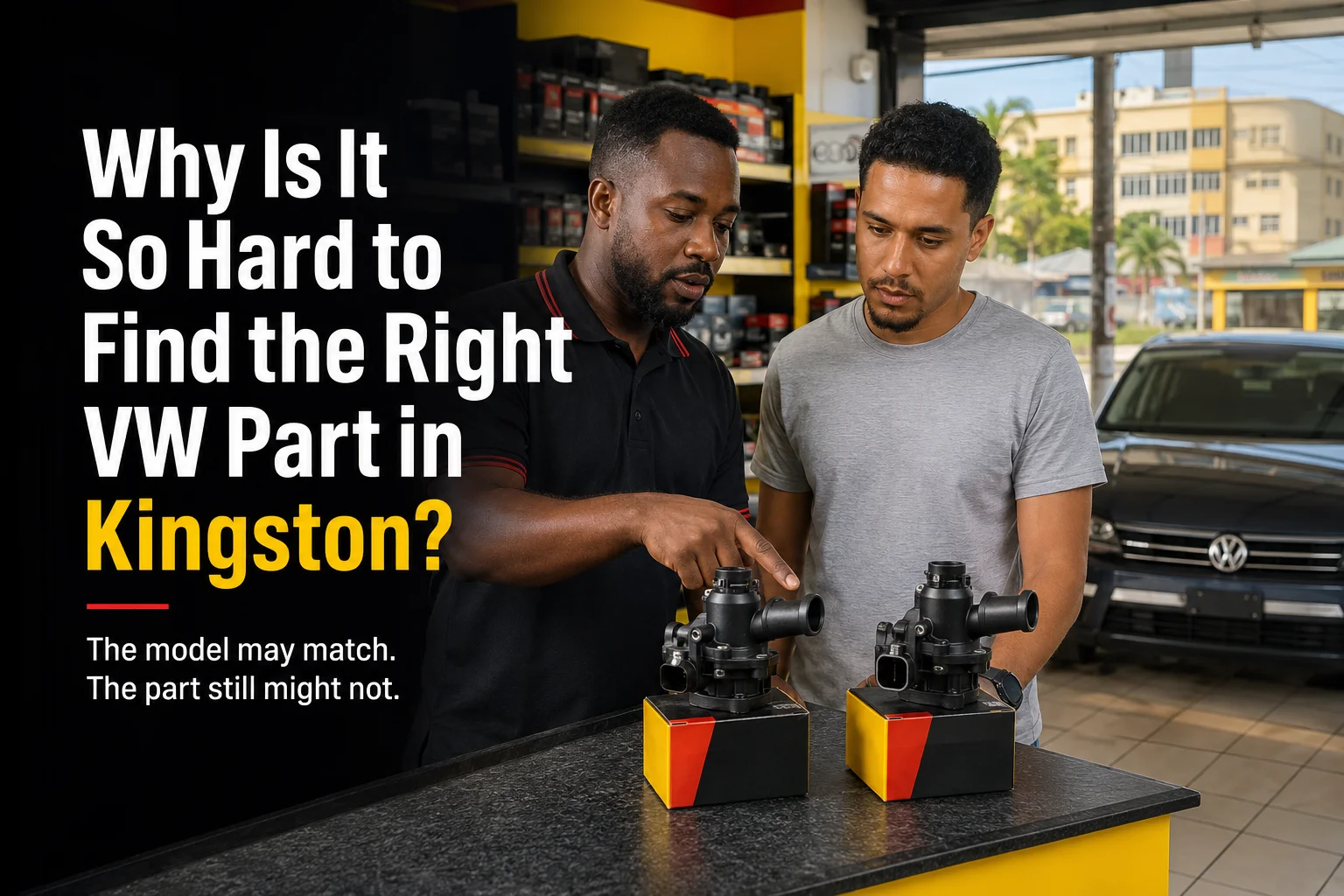
You search for VW parts Kingston because your car needs help. Maybe the engine feels rough. Maybe a warning light has come on. Or you hear a knock each time you cross a rough patch of road. You expect a simple answer. You tell the shop the model and year. They find the part. You pay and leave. But that is not always how it goes. One shop says the part will fit. Another asks for the chassis number. Your mechanic may ask for the old part. Then you learn that two parts can look the same but work in very different ways. The hard part is often not finding a Volkswagen part. It is finding the right one for your exact car. The Real Problem Is Fitment, Not Supply Kingston has many car parts stores. You can find filters, brake pads, sensors, belts, and oils in many places. But a part being on a shelf does not mean it fits your car. A VW Golf may use more than one oil filter. A Jetta may use a different ignition coil from another Jetta of the same year. A Tiguan may need a part tied to its engine code, not just the badge on the boot. Think of it like buying shoes. Two pairs may look almost the same. Both may show your usual size. Yet one feels right while the other causes pain after ten steps. Car parts can work in a similar way. Small details matter. A Model Name Is Only the Start Saying, “I drive a 2017 Golf,” helps. But it may not be enough. A parts expert may also need: Why ask for so much information? Because each detail lowers the risk of a wrong match. Volkswagen states that its genuine parts are made for specific VW models and approved by its product experts. That is one reason exact fitment matters before you buy. You can read more in Volkswagen’s guide to genuine replacement parts. (Volkswagen UK) Why Two Similar VWs Can Need Different Parts Picture two silver VW Golfs parked beside each other. They are both from the same year. From the outside, they look like twins. Under the bonnet, they may be different. The engine can affect parts such as: A part listed for “Volkswagen Golf” may fit one engine but not another. Car makers can also change a part during a model run. The model year stays the same, but the part may change after a set build date. This is sometimes called a production split. That is why a part may look right in an online photo but fail to fit once the mechanic starts the job. The connector may be different. The mounting point may not line up. Or the part may fit into place but send the wrong signal to the vehicle. Why the VIN and Engine Code Matter The VIN is your car’s unique ID number. You can think of it as the car’s fingerprint. It helps identify the vehicle and some of the key details tied to it. The official NHTSA VIN Decoder can show basic vehicle data stored in a VIN. It is a useful tool, but it does not replace a full parts check by an experienced supplier. (NHTSA) You can often find the VIN: Keep your full VIN private. Send it directly to the parts supplier or workshop helping you. This short Volkswagen VIN location video can help you find it on the vehicle. You can also read Dub Source’s guide on how to know if a part fits without removing the old one first. The Engine Code Can Stop a Costly Mistake The engine code points to the exact engine family fitted to the car. Imagine a driver asking for an ignition coil for a 1.4-litre Jetta. The shop finds a coil listed for a 1.4-litre VW engine. It looks right and the plug seems close. But the engine code does not match. The car may still misfire after the part is fitted. The driver may then pay for another part, another scan, and more labour. One small code could have prevented all of that. A Symptom Does Not Tell You Which Part to Buy A warning light can point to a fault. It does not always name the failed part. The same is true for a noise. A knock from the front suspension may come from a stabiliser link, bushing, strut mount, ball joint, or shock absorber. Rough engine performance may come from a spark plug, ignition coil, sensor, air leak, damaged wire, or loose connector. What happens when you buy a part based only on the symptom? You may replace a good part. The real fault stays. The bill grows. What the driver notices What may need checking What helps before buying Rough idle or misfire Spark plugs, coils, sensors, air leaks, or wiring VIN, engine code, and scan results Engine runs hot Coolant leak, thermostat, pump, fan, or sensor Engine details and cooling-system test Knock on rough roads Bushings, links, mounts, ball joints, or shocks Road test and suspension inspection Brake noise Pads, discs, fluid, or another brake component VIN, brake size, and physical inspection AC not cooling Leak, pressure fault, sensor, or compressor Pressure test and diagnostic check This table is not a diagnosis. It shows why a proper check should come before the purchase. A scan result is useful. But it must still be read in context. For example, a fault code linked to a sensor does not always mean the sensor itself has failed. The problem could be damaged wiring, a poor connection, low voltage, or another fault affecting the same system. Why VW-Specific Knowledge Helps A general parts store may know a lot about many car brands. That can be useful for common service items. But VW fitment can require deeper checks. A Volkswagen parts specialist may look at: That extra care is not needless paperwork. It is part of finding the correct replacement. Dub Source
VW Parts Kingston: Why Is It So Hard to Find the Right Part Locally? Read More »
AUTO PARTS STORE, Blog