
loader image

Dub Source JA

BRAKE SHOP

Illustration of Should I Use Synthetic Oil If I Only Drive Short Distances? in Kingston Jamaica

Should I Use Synthetic Oil If I Only Drive Short Distances?

If you’ve ever asked, “Should I use synthetic oil if I only drive short distances?”, you are not overthinking it. It is a smart question. And for many drivers, the answer matters more than it seems. Short trips look easy on a car. You drive a few minutes, park, and move on with your day. It feels light. It feels harmless. But engines do not always see it that way. When you only drive short distances, your engine may not stay hot long enough. That matters because heat helps burn off moisture and small amounts of unburned fuel that can collect in the oil. When that does not happen often enough, the oil can lose some of its strength over time. That is why this kind of driving is often treated as tougher than people expect. If your routine is mostly short errands, traffic, school runs, or quick trips across town, your oil may be working harder than your mileage suggests. Before you choose, you can also read our guide to choosing the right oil filter and browse our engine oil collection. For wider maintenance guidance, AAA’s engine oil guide is also useful. Why Short Trips Can Be Harder on Oil Than Long Drives It sounds backwards at first. A longer drive feels like more work for the car. But short trips often create a different kind of stress. Think of two drivers. One person drives for 40 minutes on the highway. The engine warms up, settles in, and runs at a steady pace. The other person starts the car six times a day for quick runs. Five minutes here. Ten minutes there. Traffic lights. Idling. Then the engine shuts off and cools down again. In many cases, the second pattern is harder on the oil. Cold starts happen again and again Each time you start the engine, oil needs a moment to move through the system. That early phase matters. Now repeat that several times a day and the stress builds in a quiet way. It is a bit like getting up from a chair and lifting something heavy before your body is ready. Once may not matter much. But repeat it often enough and the strain starts to show. And because your drive is short, the engine may not stay hot long enough to fully clear out moisture and fuel from the oil. Over time, that can reduce how well the oil protects moving parts. For more detailed tips, check out Dub Source’s Oil Filter Collection. Low Mileage Does Not Always Mean Low Stress This is where many drivers get caught out. They think, “I hardly drive, so my oil should still be fine.” But the real issue is not only distance. It is the pattern. Stop. Start. Warm up a little. Cool down again. Repeat. That routine can age oil faster than people expect, especially in traffic or hot city conditions. City use adds another layer. Short-distance driving often comes with slow traffic, red lights, short waits, and limited airflow. So even though the trip is short, the oil still deals with uneven heat and repeated stress. That is one reason quick city runs can be tougher on oil than a longer, smoother drive on open roads. So, Should You Use Synthetic Oil? In many cases, yes. Synthetic oil often makes more sense when most of your driving is short and repeated. But there is one rule that comes before everything else. Check your owner’s manual first. Your car’s manual tells you the correct oil grade and the correct specification. That matters more than opinions, trends, or brand claims. If the manual requires synthetic oil, that settles it. Use synthetic oil. If the manual allows more than one type, then your driving style becomes a big part of the decision. And this is where synthetic oil often has the advantage. Why Synthetic Oil Can Make More Sense for Short-Distance Driving Synthetic oil is not magic. It does not cancel poor maintenance. It does not fix the wrong oil interval. But it often handles difficult driving conditions with more stability. That extra margin can matter when your engine keeps going through short, incomplete warm-up cycles. Short trips create an uneven rhythm for oil. The engine warms up a little, then cools down. Then it does it again. Synthetic oil tends to hold its performance better under that kind of stress. That does not mean it lasts forever. It means it may stay more stable when conditions are not ideal. Think of it like a better-quality fabric. Both shirts may look the same on day one. But one keeps its shape after repeated wear and washing. The other starts to fade and sag much sooner. The first few moments after start-up are important. Oil needs to move quickly and coat the parts that need protection. If you start your car once and drive for an hour, that start-up phase only happens once. If you start your car six times for short trips, that phase matters six times. That repeated start-up pattern is one reason many drivers who do short runs lean toward synthetic oil. If you drive a VW or Audi, this matters even more. Modern engines are not as forgiving as older ones. They often run hotter. They may use turbochargers. They usually depend on exact oil standards, not just a basic grade. So the real question is not simply synthetic versus conventional. The real question is whether the oil matches what your engine was built to use. If your manual calls for a certain approval, follow that first. Then choose a quality oil that meets it. When Synthetic Oil Is Usually Worth It Here is a simple way to look at it. Synthetic oil is often worth choosing if most of your driving looks like this: In these cases, synthetic oil may give you more breathing room. Not freedom to neglect maintenance. Just better support for the way you actually drive. When Conventional Oil May Still

Should I Use Synthetic Oil If I Only Drive Short Distances? Read More »

BRAKE SHOP
Featured image for Can a Brake Shop Really Tell Me What I Need, or Are They Just Guessing? in Kingston Jamaica

Can a Brake Shop Really Tell Me What I Need, or Are They Just Guessing?

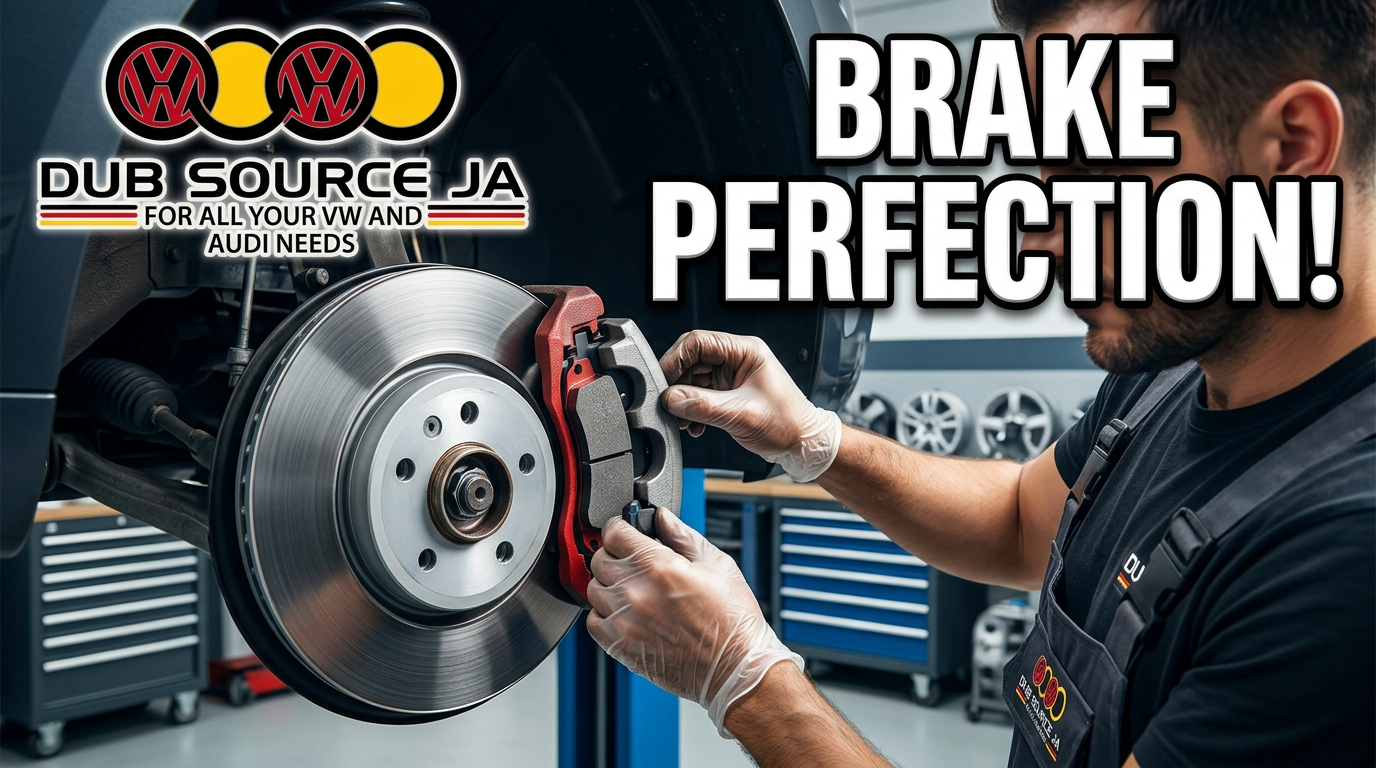
While waiting in a brake shop, you might find yourself wondering,‘Is this shop really telling me what I need, or are they just guessing?’ You’re not the only one.It’s a question that pops into many people’s minds when they get a brake check-up or when they hear that something needs replacing. We’ve all been there.Brakes are crucial to your car’s safety.You want them to be right, every single time.But when you hear that your brake pads need to be replaced or the rotors need turning, you might start to wonder,“Is this really necessary, or is this shop just trying to upsell me?” The truth is, it’s not always easy to tell.So, can a brake shop really tell you exactly what you need?Or are they just guessing? In this blog, we’re going to dive deep into the factors that influence brake diagnoses.I’ll explain how shops work, how to spot the red flags, and when you can be sure you’re getting the right advice. For high-quality brake components, check out Dub Source’s service parts collection. The Importance of Trusting Your Brake Shop Let’s talk about brakes for a second.They are, without a doubt, the most important safety feature in your car.Without reliable brakes, your car is, well, dangerous. So, when something’s wrong with your brakes, you want to make sure you’re getting the best possible advice from the shop.But here’s the catch:Not all brake shops are created equal.Some brake shops are top-notch full of experienced mechanics with years of training.Others? Well, not so much. You’ve got the reliable shops that are all about quality work and customer trust.Then, you’ve got the shops that might try to take advantage of you, making unnecessary recommendations or even “guessing” what the problem is. So, how do you know who’s who? It all comes down to a few key elements: For more about trusting your brake shop, consider checking out our engine service parts. 1. Transparency: Are They Telling You Everything? First things first, transparency is key.When you walk into a reputable brake shop, you shouldn’t feel like they’re hiding anything from you.If something’s wrong with your brakes, they should tell you exactly what it is and why it needs fixing.They shouldn’t rush through the explanation, nor should they be vague. For example:If they tell you your brake pads are worn out, they should show you the pads and explain why they need to be replaced.If the rotors are damaged or too thin, they should show you exactly what’s wrong.You should never leave a brake shop wondering why the repairs are necessary.A good shop will walk you through everything and answer any questions you have. And let’s not forget pricing.A trustworthy shop will give you an upfront estimate and explain what’s included in the price.If there are any extra costs, they should tell you about them before doing the work.It’s important that the shop is open about the cost of parts and labor, and that you’re not blindsided by hidden fees when you pick up your car. For more insights on transparency, check out Dub Source’s engine oil collection. 2. Experience: Do They Really Know Brakes? You wouldn’t want to go to a dentist for your heart surgery, would you?The same logic applies to brake shops.Experience is everything. You don’t want a mechanic who’s just starting out with brakes.You want someone who has seen and fixed a wide range of brake issues.When you’re trusting a mechanic with your safety, you want them to know their stuff inside and out. Experienced mechanics know how to diagnose problems quickly and accurately.They can spot issues that less experienced techs might miss.They also know how to prioritize repairs and how to explain things to you in a way that makes sense.They’re not just guessing they know exactly what’s wrong, and they know exactly how to fix it. For instance, an experienced mechanic can tell the difference between worn-out brake pads and warped rotors just by looking at them.They won’t have to guess they’ll know.And this expertise helps save you time and money because they’re getting to the root of the issue quickly. Explore Dub Source’s specific car parts collection for professional-grade products. 3. The Tools: Are They Using the Right Equipment? A professional brake shop doesn’t just rely on hand tools and intuition to diagnose problems.They need diagnostic equipment to do their job properly.These tools allow them to measure things like rotor thickness, brake pad wear, and brake fluid condition. So, what should you look for? First, they should have equipment that measures the exact wear on your brake pads.They should also have machinery to check for issues like warped rotors or damaged brake lines.A shop that uses up-to-date diagnostic equipment can provide a much more accurate assessment of your brake system. If a shop is still using outdated equipment, that could mean they’re not getting the most accurate results.That can lead to misdiagnosis, which can waste your time and money.A good brake shop invests in high-quality tools because they know it makes a difference in providing accurate diagnoses and high-quality repairs. Check out Dub Source’s diagnostic service tools for precision solutions. 4. Your Own Knowledge: Knowing What to Ask Having a basic understanding of how your brakes work can help you communicate better with the mechanic and ensure that you’re getting the right advice. Now, you don’t need to be a brake expert.But knowing some basic symptoms can help you identify when something is wrong and give you the right words to describe the issue to your mechanic. Here are a few things to watch out for: If you experience any of these symptoms, let your mechanic know.This information helps them diagnose the issue faster and more accurately.If a mechanic isn’t asking you about the symptoms, it could be a sign that they’re not paying attention to the details.A good mechanic will listen carefully and ask follow-up questions to ensure they understand the issue fully. For more details, see our Porsche service parts collection. Can Brake Shops Really

Can a Brake Shop Really Tell Me What I Need, or Are They Just Guessing? Read More »

BRAKE SHOP
Shopping Cart