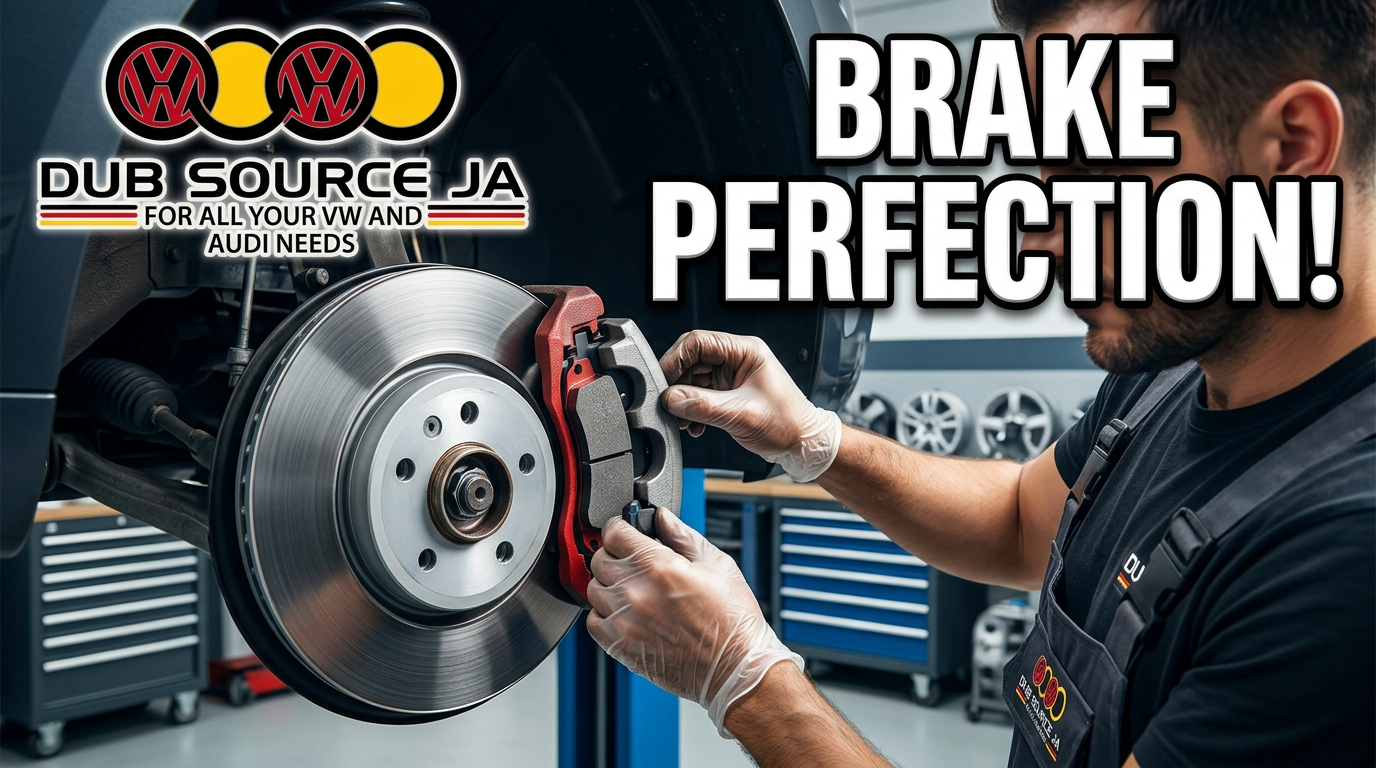
While waiting in a brake shop, you might find yourself wondering,
‘Is this shop really telling me what I need, or are they just guessing?’
You’re not the only one.
It’s a question that pops into many people’s minds when they get a brake check-up or when they hear that something needs replacing.
We’ve all been there.
Brakes are crucial to your car’s safety.
You want them to be right, every single time.
But when you hear that your brake pads need to be replaced or the rotors need turning, you might start to wonder,
“Is this really necessary, or is this shop just trying to upsell me?”
The truth is, it’s not always easy to tell.
So, can a brake shop really tell you exactly what you need?
Or are they just guessing?
In this blog, we’re going to dive deep into the factors that influence brake diagnoses.
I’ll explain how shops work, how to spot the red flags, and when you can be sure you’re getting the right advice.
For high-quality brake components, check out Dub Source’s service parts collection.
The Importance of Trusting Your Brake Shop
Let’s talk about brakes for a second.
They are, without a doubt, the most important safety feature in your car.
Without reliable brakes, your car is, well, dangerous.
So, when something’s wrong with your brakes, you want to make sure you’re getting the best possible advice from the shop.
But here’s the catch:
Not all brake shops are created equal.
Some brake shops are top-notch full of experienced mechanics with years of training.
Others? Well, not so much.
You’ve got the reliable shops that are all about quality work and customer trust.
Then, you’ve got the shops that might try to take advantage of you, making unnecessary recommendations or even “guessing” what the problem is.
So, how do you know who’s who?
It all comes down to a few key elements:
- Transparency
- Experience
- The tools they use
- Your own knowledge of your car and brakes
For more about trusting your brake shop, consider checking out our engine service parts.
1. Transparency: Are They Telling You Everything?
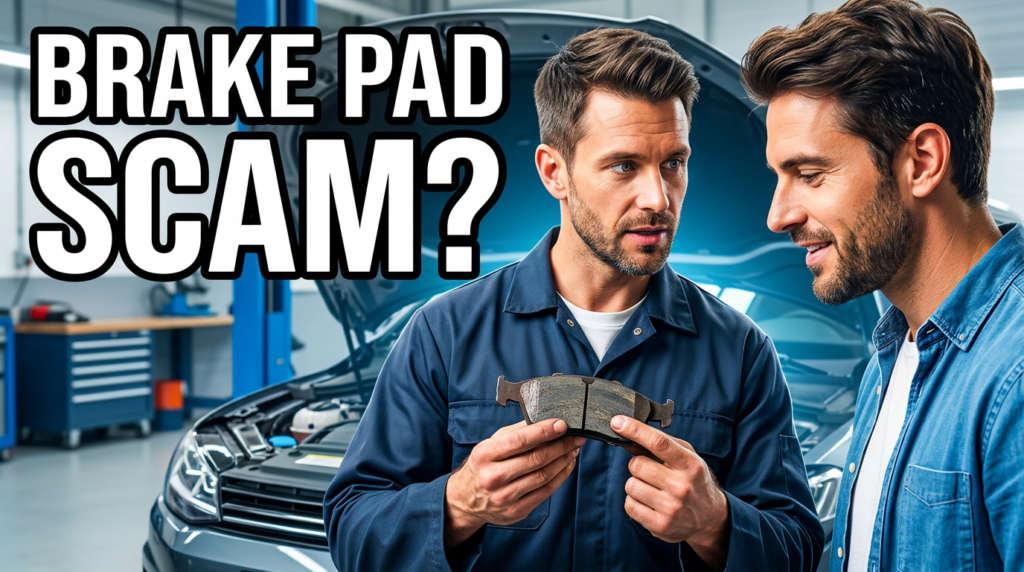
First things first, transparency is key.
When you walk into a reputable brake shop, you shouldn’t feel like they’re hiding anything from you.
If something’s wrong with your brakes, they should tell you exactly what it is and why it needs fixing.
They shouldn’t rush through the explanation, nor should they be vague.
For example:
If they tell you your brake pads are worn out, they should show you the pads and explain why they need to be replaced.
If the rotors are damaged or too thin, they should show you exactly what’s wrong.
You should never leave a brake shop wondering why the repairs are necessary.
A good shop will walk you through everything and answer any questions you have.
And let’s not forget pricing.
A trustworthy shop will give you an upfront estimate and explain what’s included in the price.
If there are any extra costs, they should tell you about them before doing the work.
It’s important that the shop is open about the cost of parts and labor, and that you’re not blindsided by hidden fees when you pick up your car.
For more insights on transparency, check out Dub Source’s engine oil collection.
2. Experience: Do They Really Know Brakes?
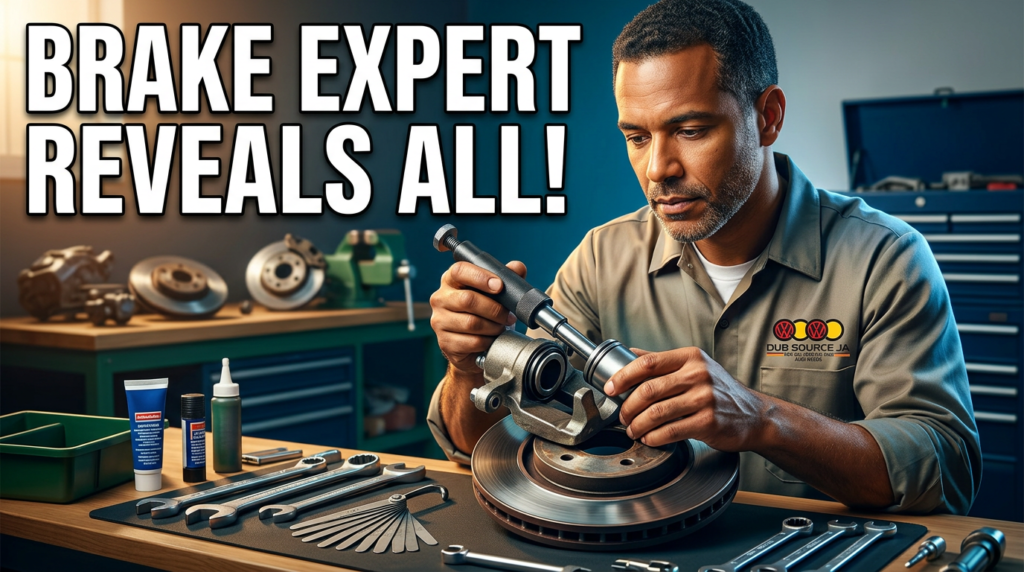
You wouldn’t want to go to a dentist for your heart surgery, would you?
The same logic applies to brake shops.
Experience is everything.
You don’t want a mechanic who’s just starting out with brakes.
You want someone who has seen and fixed a wide range of brake issues.
When you’re trusting a mechanic with your safety, you want them to know their stuff inside and out.
Experienced mechanics know how to diagnose problems quickly and accurately.
They can spot issues that less experienced techs might miss.
They also know how to prioritize repairs and how to explain things to you in a way that makes sense.
They’re not just guessing they know exactly what’s wrong, and they know exactly how to fix it.
For instance, an experienced mechanic can tell the difference between worn-out brake pads and warped rotors just by looking at them.
They won’t have to guess they’ll know.
And this expertise helps save you time and money because they’re getting to the root of the issue quickly.
Explore Dub Source’s specific car parts collection for professional-grade products.
3. The Tools: Are They Using the Right Equipment?
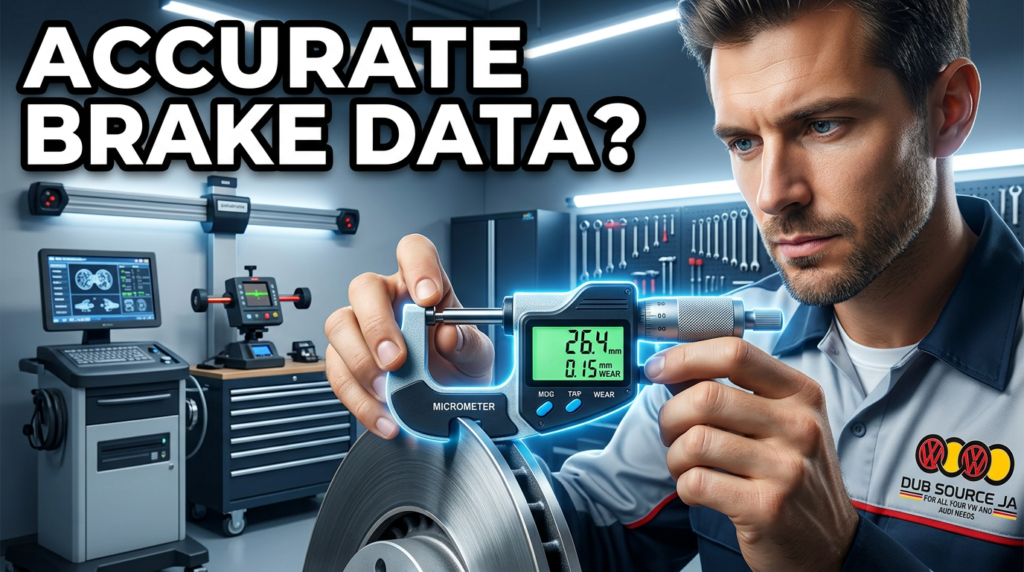
A professional brake shop doesn’t just rely on hand tools and intuition to diagnose problems.
They need diagnostic equipment to do their job properly.
These tools allow them to measure things like rotor thickness, brake pad wear, and brake fluid condition.
So, what should you look for?
First, they should have equipment that measures the exact wear on your brake pads.
They should also have machinery to check for issues like warped rotors or damaged brake lines.
A shop that uses up-to-date diagnostic equipment can provide a much more accurate assessment of your brake system.
If a shop is still using outdated equipment, that could mean they’re not getting the most accurate results.
That can lead to misdiagnosis, which can waste your time and money.
A good brake shop invests in high-quality tools because they know it makes a difference in providing accurate diagnoses and high-quality repairs.
Check out Dub Source’s diagnostic service tools for precision solutions.
4. Your Own Knowledge: Knowing What to Ask
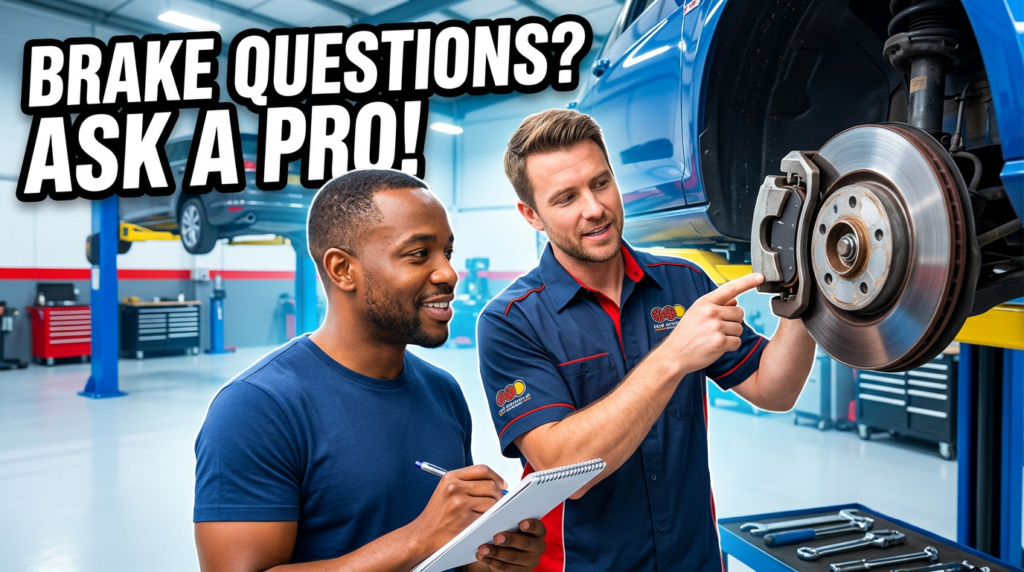
Having a basic understanding of how your brakes work can help you communicate better with the mechanic and ensure that you’re getting the right advice.
Now, you don’t need to be a brake expert.
But knowing some basic symptoms can help you identify when something is wrong and give you the right words to describe the issue to your mechanic.
Here are a few things to watch out for:
- Squeaking or squealing sounds could mean your brake pads are worn out.
- Grinding noises often indicate that your brake pads are completely worn down, and the metal is rubbing against the rotor.
- A soft or spongy brake pedal could indicate low brake fluid or air in the brake lines.
- Vibrations or shaking when you brake might indicate warped rotors.
If you experience any of these symptoms, let your mechanic know.
This information helps them diagnose the issue faster and more accurately.
If a mechanic isn’t asking you about the symptoms, it could be a sign that they’re not paying attention to the details.
A good mechanic will listen carefully and ask follow-up questions to ensure they understand the issue fully.
For more details, see our Porsche service parts collection.
Can Brake Shops Really Tell You What You Need?
So, can brake shops really tell you what you need, or are they just guessing?
The answer is simple:
It depends on the shop.
If you’re working with an experienced, trustworthy shop that uses modern tools and is transparent about their process, then yes.
They can tell you exactly what you need.
They’ll diagnose the problem with precision, offer reliable advice, and explain everything clearly.
But if you’re at a shop that’s vague, doesn’t ask questions, or uses outdated equipment, well, then it might feel like they’re guessing.
And you don’t want that when it comes to your brakes.
For more about the best brake service practices, check out Dub Source’s FAQ and policies.
What to Look for in a Brake Shop
If you’re still unsure about whether you’re getting the right advice, here’s a quick checklist of what to look for in a brake shop:
- Reputation: Look for a shop with good reviews or ask friends and family for recommendations.
- Transparency: They should explain everything to you clearly, from the diagnosis to the cost.
- Experience: An experienced mechanic will be able to quickly and accurately diagnose the problem.
- Diagnostic Tools: Make sure they use modern diagnostic tools to ensure they’re getting accurate results.
- Customer Service: A good shop will listen to your concerns, answer your questions, and take the time to explain the issue.
Explore our service parts collection to see what high-quality service parts we offer.
The Bottom Line: Should You Trust a Brake Shop?
Brakes are a critical part of your car, and you shouldn’t take any chances with them.
That’s why it’s important to find a trustworthy brake shop that has the experience, the tools, and the transparency to tell you exactly what your car needs.
So, can they really tell you what you need?
If they’re experienced, use the right tools, and are transparent with you, the answer is a solid yes.
If they’re vague, pushy, or don’t ask the right questions, it’s time to find a shop that cares more about your safety and satisfaction.
At the end of the day, you want a brake shop that treats you like a partner, not a target for an upsell.
So, ask questions, trust your instincts, and find a brake shop that makes you feel confident in the repairs they’re recommending.
For a more comprehensive guide to reliable parts, check out our dub source process.