
Have you ever found yourself scrolling through parts online, wondering if you’re picking the right one?
You look at the photos, read the descriptions, and still, there’s that nagging voice in your head asking:
- “What if this doesn’t fit?”
- “What if I waste money on something I can’t use?”
- “Do I really need to pop the hood and check everything just to be sure?”
It’s not just about buying a part; it’s about making sure you’re avoiding mistakes that could cost you time, money, and frustration.
In Kingston, where most people depend on their vehicles every day, even one wrong part can throw off your entire week.
Getting stuck in traffic or missing appointments can turn a simple day into chaos.
That’s why it’s so important to make sure you get the right part, first time.
Here’s the good news: You don’t need to disassemble your car or get your hands dirty to figure out if you have the right part.
There’s a smarter, simpler way that people who’ve been doing this for years follow.
If you know your car well before buying anything, you’ll save yourself from big headaches.
Once you get the hang of it, buying the right parts becomes a much easier task.
Why Do People Get the Wrong Part, Even When They “Check”?
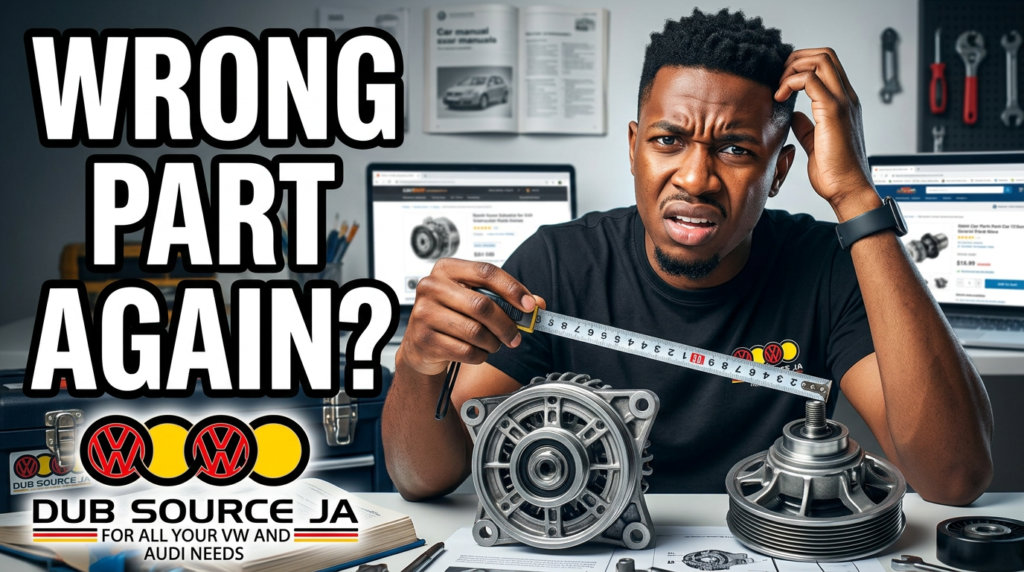
Most people don’t guess blindly. They do their best to make sure the part fits by checking photos, reading descriptions, and even comparing sizes.
But then the part arrives, and it doesn’t fit.
It’s frustrating!
Why does this happen?
The truth is, even though a part might look right, it’s not always going to be a perfect match.
Think of it like buying shoes online. You might find two pairs that look exactly the same—same size, same color, same style.
But when you wear them, one fits just right, and the other makes your feet hurt after only a few minutes.
Car parts can be like that, too.
Two parts might look almost identical, but tiny differences can make a big difference in how well they fit and function.
What Makes Car Parts Different?
Here are a few reasons why you might find that a part doesn’t fit, even when you check:
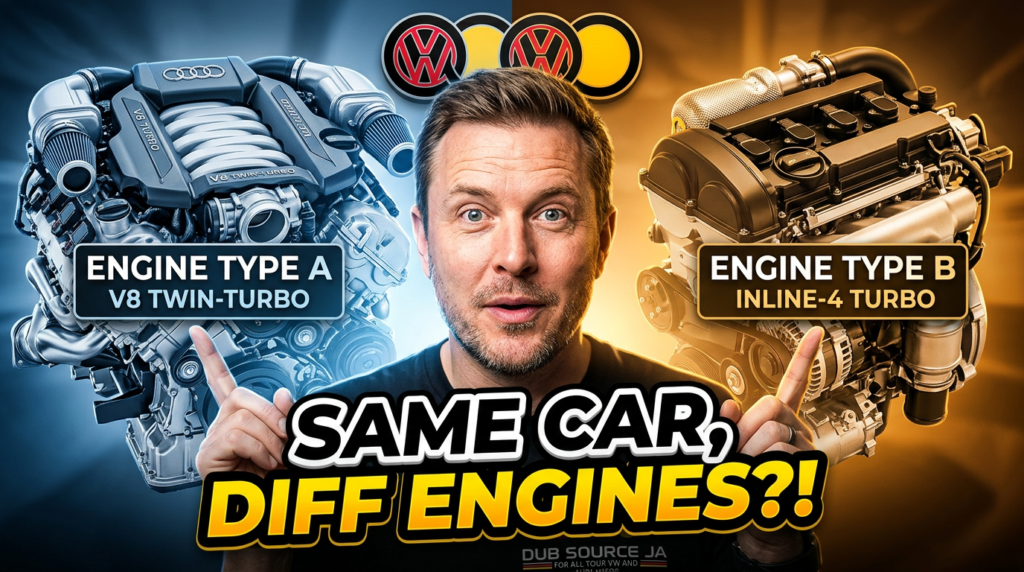
- Same Model, Different Engines: The same car model can have different types of engines.
This means that the part you see might not actually work for your specific engine. - Parts Change Mid-Year: Sometimes car manufacturers make changes during the year.
Parts that fit earlier models may not fit later ones, even if they’re from the same year. - Imported Vehicles Have Different Specs: If your car is an import, it may have different parts compared to local versions, which means the part you buy might not be a perfect match.
- Previous Repairs Might Have Used Different Components: If your car was fixed before, the parts used could be different from what’s in your car now.
This can affect whether a new part will fit properly. - Listings That Aren’t Always Accurate: Some listings say things like “fits all models” or “universal parts,” but they don’t always give you the full picture.
They might not tell you which engine, trim, or version the part is actually made for, and that’s where problems arise.
How to Make Sure You Get the Right Part
Now that you understand why the wrong part might get ordered, let’s talk about how to make sure you get the right one.
It’s all about knowing your car and being prepared before making the purchase.
Start with Your VIN
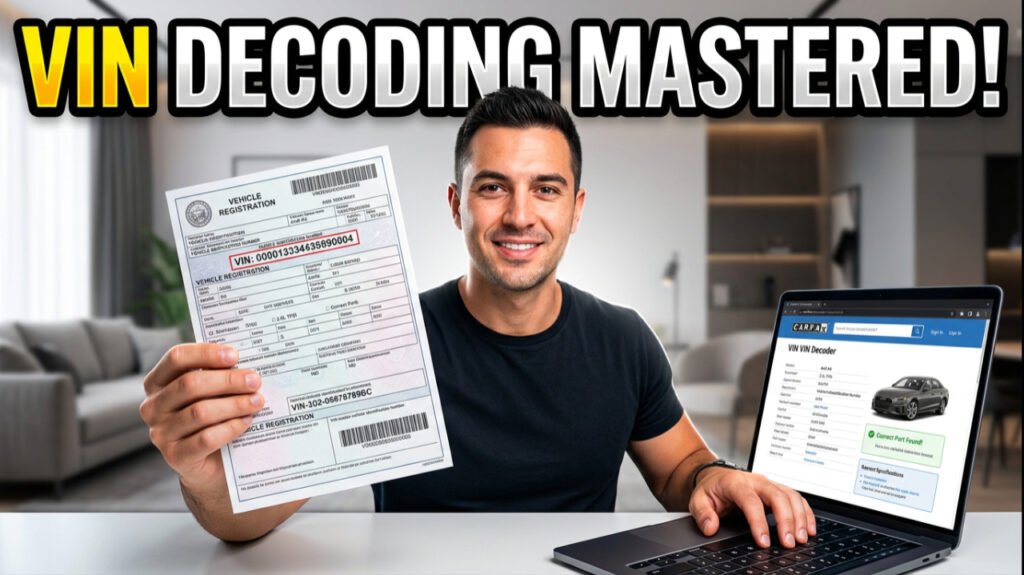
Your VIN (Vehicle Identification Number) is your car’s unique identity.
Every car has one, and no two cars share the same VIN.
You can find this number on the dashboard, inside the door frame, or on your car’s registration or insurance documents.
It’s like your car’s fingerprint.
The VIN gives you more information about your car than you may realize.
It can tell you about the engine type, trim level, and even the year it was made.
Using this number is the best way to avoid confusion and make sure you’re getting the exact part that fits your car.
For more detailed information, use the VIN decoder to get specific data about your car’s specs.
Know What’s Under the Hood
Two cars of the same model may seem identical, but once you lift the hood, you’ll see they might have different engines, fuel types, or transmission systems.
A small difference in the engine or fuel type can make a huge difference in what parts fit.
Before buying a part, it’s a good idea to know the following details:
- Engine size
- Fuel type
- Transmission
- Trim level (if possible)
You don’t need to be a mechanic—just knowing the basics will make the process easier and more accurate.
If You Have the Part Number, You’re Already Ahead
If you’ve serviced your car before, you might have kept the part number from a previous replacement.
This number is like a key that unlocks the exact match for your car.
Look at any old invoices, receipts, or service records.
If you find a part number, you’re already ahead in the game.
No need to guess!
What You Can Check Without Removing Anything
You don’t always need to remove parts from your car to confirm fitment.
In fact, there are several things you can check just by looking at your documents or taking a quick peek under the hood.
- Documents Can Help: Your car’s registration, insurance, and past service records often contain important details, including the VIN, engine type, and part numbers that were used in past repairs.
- Look at Past Repairs: If your car has been serviced before, those repair records can tell you which parts were used.
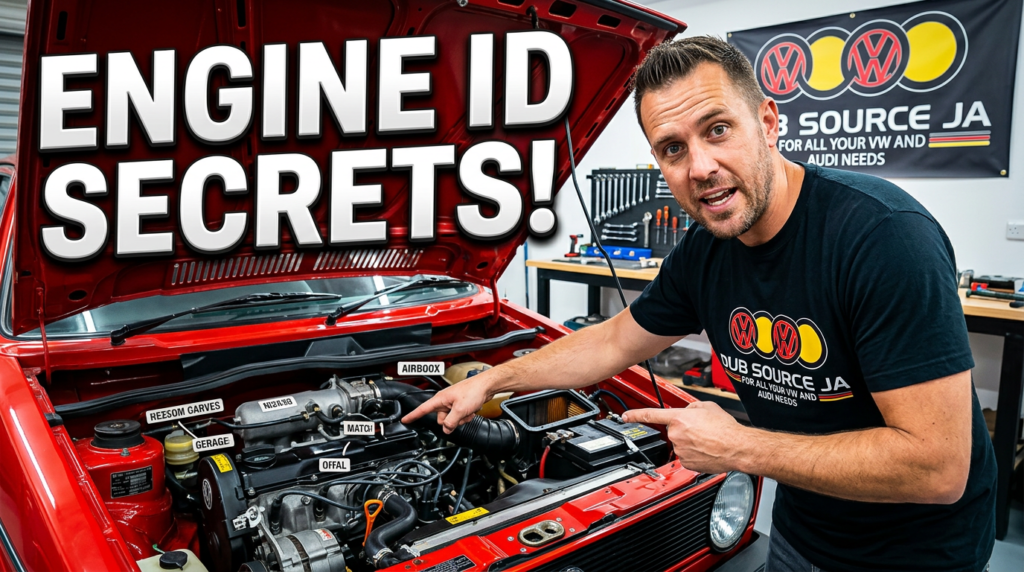
This can help guide your next purchase and make sure you’re getting the right one. - Quick Look Under the Hood: Without removing anything, you can look at things like engine layout, visible connectors, and labels that will help you know what parts are in your car.
Don’t Be Afraid to Ask for Help
Sometimes the easiest way to get the right part is to simply ask for help.
A good supplier will:
- Ask for your VIN
- Confirm your car details
- Help match the right part
If you’re unsure, don’t hesitate to reach out to them before placing your order.
A Real Kingston Scenario: What Would You Do?
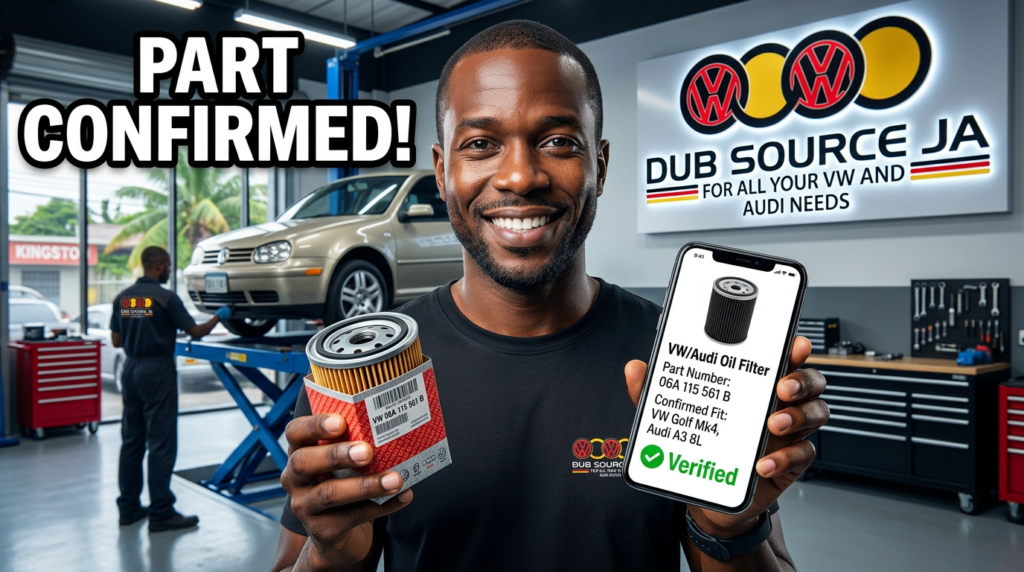
Imagine you’re driving down Constant Spring Road, and you know it’s time for a car service.
You need a new oil filter.
Option 1: You choose the cheapest one, thinking it looks fine. A few days later, the part arrives, but it doesn’t fit. Now your car’s stuck.
Option 2: You check your VIN, confirm your engine size, and double-check with the supplier. A few extra minutes of work, but when the part arrives, it fits perfectly, and your car is back on track.
Which option would you prefer?
How to Know If a Supplier Knows What They’re Doing
Working with a reliable supplier makes all the difference.
Look for these signs that show the supplier knows what they’re doing:
- They ask for your VIN and confirm details
- They don’t rush through the process
- They help explain what fits and why
If they don’t do these things, it might be worth looking for someone more trustworthy.
Mistakes That Cost Time and Money
These mistakes might seem small, but they add up:
- Relying only on the car’s name
- Ignoring engine details
- Trusting one listing without checking
- Skipping the VIN check
Tools to Make It Easier
You don’t need many tools—just the right ones:
These tools will help you ensure you’re getting the right part every time.
The Bottom Line
If you’ve ever felt unsure about a car part, that’s totally normal.
It’s not just about getting the part—it’s about getting it right the first time.
Instead of asking, “Will this fit?” ask yourself, “Have I confirmed this properly?”
Once you do that, the entire process becomes easier and less stressful.
For a smoother experience, check out Dub Source Shop and follow their process to make sure you get the perfect part every time.