
If you sell or fit German car parts long enough, customers always ask the same thing.
“How long should this actually last?”
And in Kingston traffic, that’s a fair question.
Because what works fine on open roads doesn’t always survive stop-start driving, heat, rough surfaces, and short journeys. That’s where expectations usually go wrong.
Let’s break this down properly, without sales talk, and without pretending there’s one magic answer.
Kingston traffic changes part lifespan. Full stop.

Most service intervals are written assuming mixed driving. Kingston driving isn’t mixed. It’s heavy city use.
That means:
-
long idle times
-
constant braking
-
higher engine bay temperatures
-
more dust and contamination
All of that shortens the life of consumables first, even when the brand is good.
So when someone asks how long a decent German aftermarket part should last, the real answer is:
it depends on the part and how the car is used.
What “decent German aftermarket” actually means
In practical terms, a decent German aftermarket part usually falls into one of three categories.
It’s either a genuine OEM part, an OEM-equivalent made by an established manufacturer, or a correctly specified service item such as fluids or filters that meet the original factory standards.
What it does not mean is a box with a German-sounding name and no real technical backing behind it.
That distinction matters. Fake or poorly specified parts are one of the main reasons people see parts fail far earlier than expected.
If you want to understand how fake “OEM” parts end up in the market and how to spot them, this guide explains it clearly:
how to avoid getting scammed with fake OEM parts
Start with the parts that suffer first in city driving
Oil and oil filters take the first hit in city driving
Heat and long idle time break oil down faster than most drivers realise. In stop-start traffic, the engine spends more time running without proper airflow, which raises oil temperature and accelerates degradation. Once oil starts to thin out or lose its protective properties, it stops doing its job properly.
When that happens, everything downstream begins to suffer. Internal components are exposed to more friction. Fine debris circulates longer than it should. Over time, this adds up to increased wear that could have been avoided with proper filtration and maintenance.
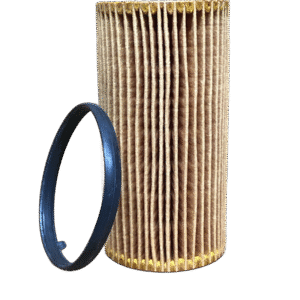
That’s why oil filters matter more than people think. A well-made filter traps microscopic particles that would otherwise move through the engine again and again, especially when oil is under constant heat and load in city driving. Cheaper or poorly made filters often struggle here, even if they look fine from the outside.
At this point, it makes sense to look at the actual part responsible for that protection:
If you want to understand the technical reasoning behind this, Bosch explains how filtration efficiency helps protect engines operating under stress and extended service conditions, particularly in demanding driving environments:
how premium oil filters protect engines
Brake fluid and brakes don’t like stop-start traffic
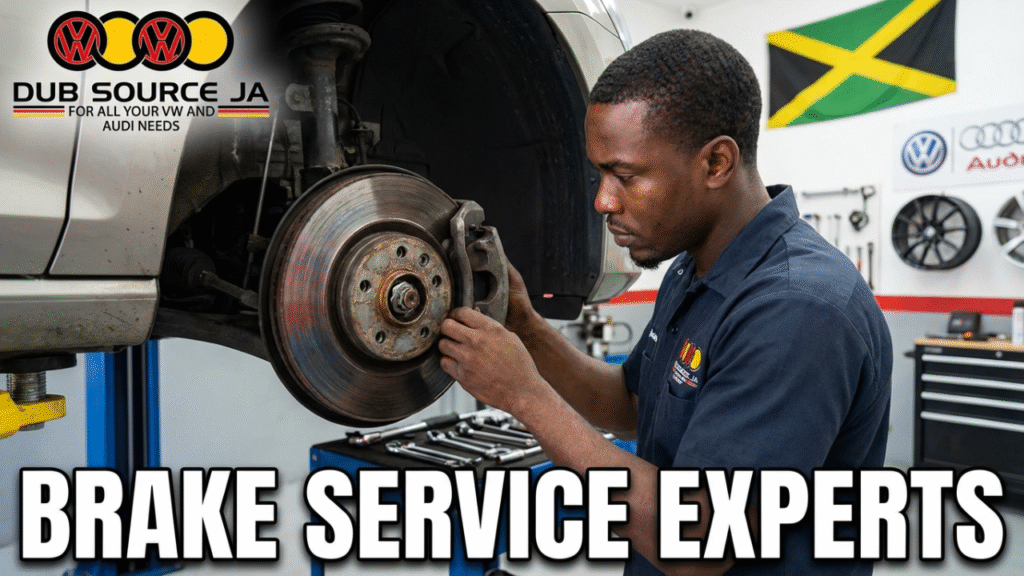
In city driving, braking systems work almost constantly. Every stop, crawl, and restart creates heat, and over time that heat, combined with moisture absorption, shortens brake fluid life far quicker than most drivers expect.
That’s why most manufacturers recommend replacing brake fluid every two years, regardless of mileage. Audi confirms this clearly in its official guidance on
recommended service schedules.
When brake fluid is overdue, it’s rarely just the fluid that suffers. Pads can wear unevenly. Seals inside the braking system can degrade earlier than they should. Internal components are exposed to higher temperatures and moisture than they were designed for. The brakes may still feel “okay” during normal driving, but the long-term wear is already underway.
This is where using the correct-spec brake fluid really matters. The right formulation helps maintain consistent braking performance and protects the system under repeated heat cycles typical of stop-start traffic:
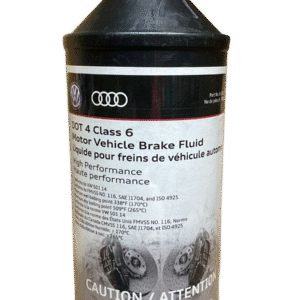
Affordable DOT 4 Brake Fluid 1L Price | Shop VW & Audi Brake Fluid Jamaica
Original price was: $3,000.00.$2,800.00Current price is: $2,800.00.
Fluids
Add to cart
If you’re unsure whether the symptoms you’re noticing point to worn pads, old brake fluid, or another issue entirely, this guide helps break down common warning signs before you spend money on parts:
signs and symptoms to watch for
Coolant spec matters more than brand names
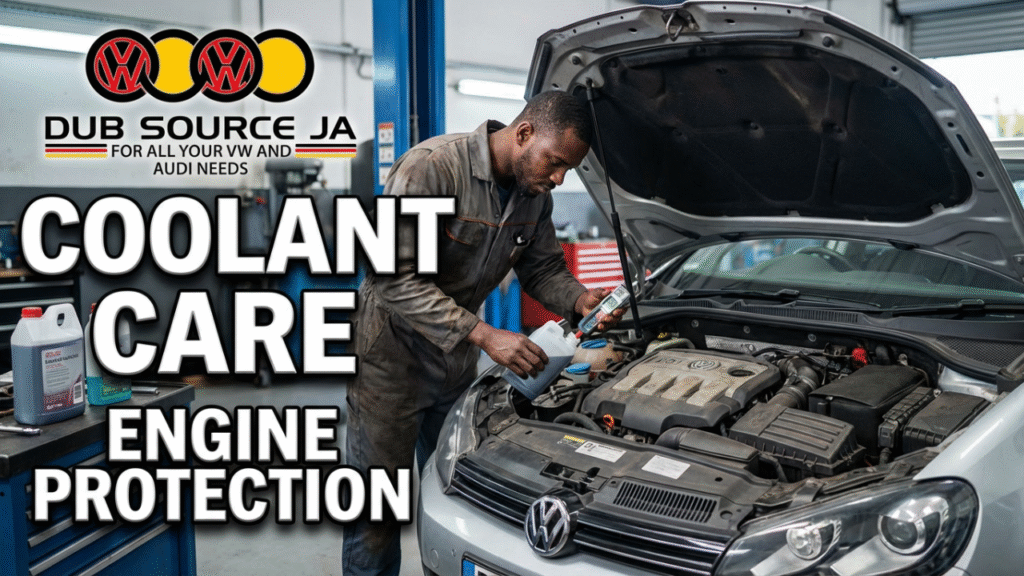
Coolant isn’t just coolant. German engines are designed around very specific chemical standards, and those standards exist to protect internal components over the long term, not just to control temperature.
Using the wrong coolant, or mixing incompatible types, can start a chain reaction inside the engine. Corrosion can develop in passages you can’t see. Seals can degrade earlier than expected. Heat transfer efficiency drops over time. The car may feel fine at first, but the damage usually builds quietly in the background.
This is one of the most common issues we see when vehicles change hands or when previous maintenance history is unclear. The problem doesn’t show up immediately. It shows up later, when cooling issues, leaks, or internal wear suddenly appear with no obvious cause.
That’s why spec-matched coolant matters more than colour, branding, or price. What matters is whether the formulation meets the exact requirements the engine was designed for.
This is where using the correct coolant formulation makes a real difference in long-term reliability:
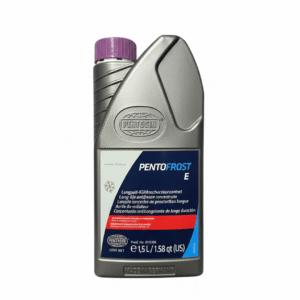
	Best Pentosin Pentofrost E G13 Coolant Kingston Jamaica | Long-Life German Coolant
	$4,500.00

				Coolants Collection
			Add to cart
If you want to understand the technical side behind these specifications, Pentosin’s own product data sheet clearly outlines compatibility, chemical properties, and manufacturer approvals for Pentofrost E:
Pentosin Pentofrost E coolant data sheet
Air filters quietly affect engine life in dusty conditions
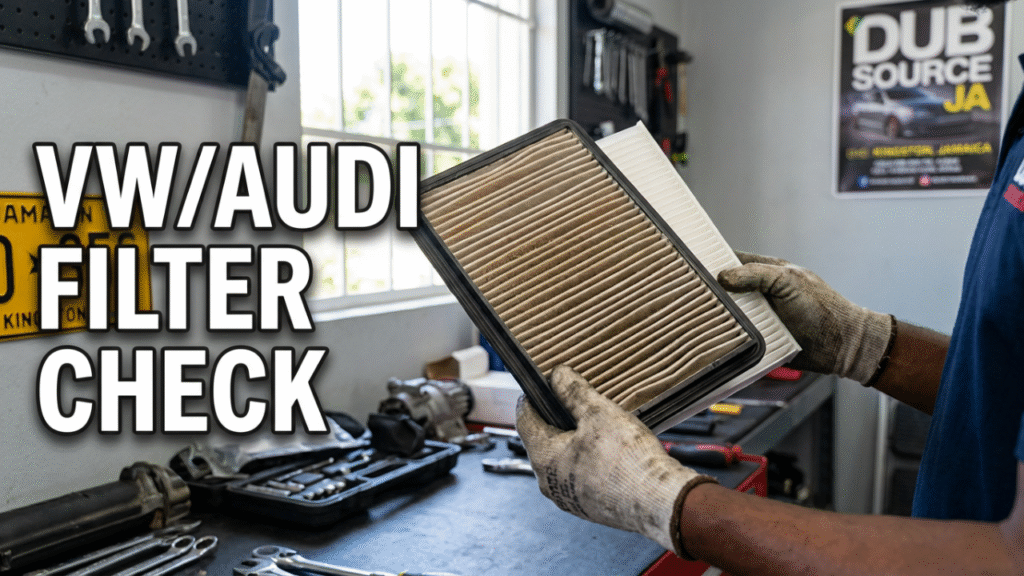
Dust and heat force air filters to work harder in urban driving. In traffic-heavy areas, especially where vehicles spend long periods idling, filters load up faster than most people expect.
A clogged air filter doesn’t just reduce performance. Restricted airflow forces the engine to work harder, which affects fuel economy and increases long-term wear on internal components. Over time, even small airflow issues can add unnecessary strain, particularly in engines designed to operate within tight tolerances.
Because of that, air filters are one of the simplest and most cost-effective maintenance items to keep on schedule. Replacing them at the right time helps the engine breathe properly and supports consistent performance in everyday city use.
This is where using the correct filter for the specific engine makes sense, rather than relying on a one-size-fits-all option:
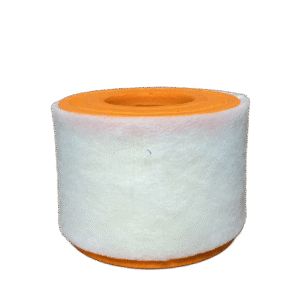
Premium Air Filter for Volkswagen and Audi – Best Price in Kingston (J$6,000)
Original price was: $6,500.00.$6,000.00Current price is: $6,000.00.
Air Filter
Add to cart
Why “good parts” still fail early
From years of dealing with returns, comebacks, and frustrated customers, the same issues show up again and again when lifespan expectations fall apart.
Most early failures come down to a few predictable causes:
-
the wrong part for the exact engine or chassis
-
fake or low-grade copies
-
poor installation practices
-
mixing incorrect fluid specifications
-
skipped or delayed maintenance further upstream
That’s why ordering accuracy matters just as much as brand choice. Getting the right part the first time avoids most of these problems before they even start.
If you want to see how Dub Source handles fitment checks and part verification, the full process is explained here:
Dub Source ordering and verification process
And if you’re unsure what details are needed before placing an order, this page lays it out clearly:
FAQ and ordering requirements
So what’s a fair lifespan expectation?
Here’s the honest version you can stand behind:
-
Quality OEM or OEM-equivalent parts, correctly fitted and maintained, should last a normal service life.
-
Consumables will wear faster in Kingston traffic than highway use.
-
Wrong spec or fake parts can fail early, regardless of brand name.
That’s not pessimistic. That’s realistic.
Quick checklist before buying any part
Before ordering any part, it helps to pause and ask a few simple questions.
-
Do I have the chassis or VIN?
-
Am I matching the correct engine code?
-
Is this a consumable that city driving will shorten the life of?
-
Am I fixing the underlying cause, not just the symptom?
If the answer to any of those is unclear, it’s better to pause than guess. Guessing usually costs more in the long run.
When you’re ready to check the right part for your vehicle, you can start here:
Browse parts by category
What to double-check before ordering a part
Good German aftermarket parts are reliable. But Kingston traffic places very real demands on vehicles, and it’s important to account for that.
When expectations are set around real driving conditions, maintenance decisions make more sense. Parts tend to last closer to their intended lifespan, customers stay happier, and unnecessary comebacks drop.
And in the long run, that’s better for everyone involved.